
Unlock Maximum Savings by Choosing Seasonal Produce
What Seasonal Fruits and Vegetables Offer the Best Value?
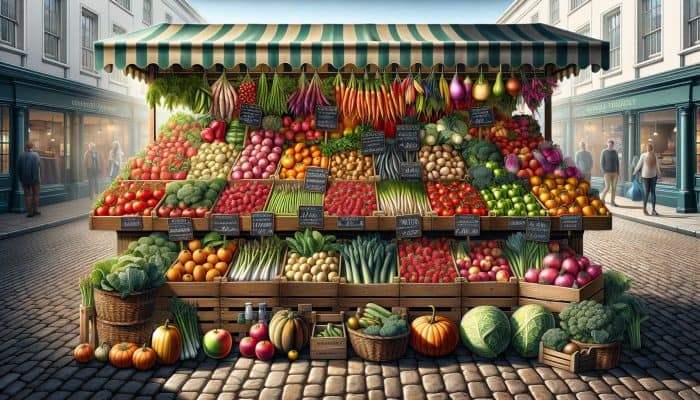
Affordable Grocery Shopping Tips: Knowing which fruits and vegetables are in season can significantly impact your grocery budget. In the United Kingdom, seasonal produce is not only more affordable but also fresher, presenting a valuable opportunity to maximise savings. For instance, in spring, you can enjoy a delightful array of fruits and vegetables such as asparagus, rhubarb, and strawberries, which tend to be less expensive when in season. As summer rolls in, expect an influx of tomatoes, courgettes, and peppers. Autumn brings a harvest of pumpkins, apples, and squashes, while winter offers hearty root vegetables and robust greens like kale and Brussels sprouts that are perfect for warming meals.
To guarantee you’re securing the best prices, consider exploring local farmers' markets or farm shops. These venues frequently offer seasonal produce at significantly lower prices than supermarkets. Many UK supermarkets also feature dedicated sections for seasonal items, prominently displayed to attract budget-conscious shoppers. By staying up to date on seasonal offerings, you can make informed purchasing decisions that not only benefit your finances but also enhance your culinary experience.
Why Choose Seasonal Produce for Your Grocery Shopping?
Choosing seasonal produce offers a range of benefits that extend beyond simple cost savings. By selecting in-season items, you support local farmers while reducing the carbon footprint of transporting out-of-season fruits and vegetables from distant regions. This not only benefits the environment but also strengthens the local economy. When you consume fresh, seasonal produce, you enjoy items that are typically harvested at their peak, leading to superior flavour and enhanced nutritional content compared to those that have undergone long storage periods.
Additionally, shopping seasonally often introduces you to new flavours and varieties that may have gone unnoticed. This exploration can enrich your diet and provide you with essential nutrients. Furthermore, seasonal produce generally requires less artificial preservation, making it a healthier choice for consumers. By integrating seasonal fruits and vegetables into your meals, you not only elevate your culinary experience but also benefit your health and the environment.
How to Store Seasonal Produce for Maximum Freshness?
Effective storage techniques are crucial to preserving the freshness of seasonal produce, ensuring you enjoy the full benefits of your purchases. Keeping fruits and vegetables in optimal conditions is essential to avoid spoilage. For most items, the crisper drawer in your refrigerator is the best choice, as it maintains a humid environment that helps preserve freshness. For instance, leafy greens such as spinach and lettuce should be wrapped in a damp paper towel and placed in a sealed container to maintain their crispness.
Consider freezing certain seasonal items to enjoy them later in the year. For example, berries can be rinsed and spread on a baking tray to freeze individually, then transferred to a freezer bag. This method prevents clumping and makes portion control easy for future use. Moreover, some vegetables, such as peas and broad beans, can be blanched briefly before freezing to preserve their colour and nutritional value. By applying proper storage and preservation methods, you not only save money but also ensure you always have healthy options readily available.
Gain Expert Insights for Affordable Grocery Shopping

What Strategies Help You Find the Best Deals?
Finding the best deals in supermarkets requires a strategic mindset. Here are several effective tactics to help you spot bargains during your shopping trips:
- Watch for yellow stickers: These often indicate discounted items nearing their sell-by date, offering an excellent opportunity to save.
- Explore the reduced section: Many stores designate areas for items with limited shelf life, allowing savvy shoppers to find great deals.
- Take advantage of loyalty cards: Enrol in loyalty programmes that offer discounts and exclusive promotions to reward your shopping habits.
- Compare unit prices: Evaluate the cost per unit rather than focusing solely on the total item price to ensure you're getting the best value.
- Shop during sales events: Keep an eye out for seasonal sales and special promotions to significantly reduce your grocery expenses.
- Engage with supermarket social media: Many stores announce flash sales or exclusive offers via their social platforms, so follow them to stay informed.
- Subscribe to newsletters: Retailers frequently send out weekly deals and coupons through email, giving you access to additional savings.
- Utilise price comparison websites: These tools can help identify the best prices across different supermarkets, ensuring you always get the best deal.
By employing these strategies, you can transform your grocery shopping experience into a more budget-friendly endeavour. The key lies in being vigilant and adaptable to the fluctuating prices and promotions that supermarkets regularly offer.
What Are the Best Times to Shop for Bargains?
Timing your shopping trips can lead to substantial savings. Many supermarkets in the UK tend to offer discounts on items as they approach their sell-by date, particularly towards the end of the day. For example, if you visit your local store in the late afternoon or early evening, you might discover fresh produce, bakery items, and pre-packaged meals significantly marked down. Additionally, shopping on specific days can yield better results; many stores implement markdowns on certain items on particular days of the week.
Furthermore, consider shopping during off-peak hours to avoid crowds and gain better access to deals. Early mornings or late evenings often see fewer shoppers, allowing you to snag the best bargains before they sell out. By strategically planning your shopping schedule, you can take full advantage of discounts and promotions, ultimately making your grocery bill much more manageable.
Can You Share Success Stories of Effective Bargain Hunting?

Real-life examples of successful bargain hunting can inspire and motivate others to adopt savvy shopping strategies. For instance, Jane, a budget-conscious shopper from London, routinely visits her local supermarket just before closing time. She has saved up to 50% on her weekly grocery bill by strategically purchasing marked-down items. By planning her meals around these discounts, Jane has transformed what could have been wasteful spending into a lucrative savings opportunity.
Another inspiring example is Tom, who uses a price comparison app to track the cost of staple items across various supermarkets. He discovered that purchasing his dry goods in bulk from an online retailer yielded greater savings than traditional shopping. This newfound awareness not only saved Tom money but also educated him about local pricing trends. Learning from these successful bargain hunters illustrates that with a bit of planning, awareness, and strategic shopping, anyone can take control of their grocery expenses.
Maximise Savings with Loyalty Cards and Apps
Which Supermarkets Provide the Most Rewarding Loyalty Programs?
In the UK, several supermarkets offer rewarding loyalty programmes designed to reward shoppers for their repeat purchases. Tesco's Clubcard, for example, is one of the most popular options, allowing customers to earn points on every pound spent. These points can be redeemed for discounts on future purchases, restaurant vouchers, and points redeemable for holiday bookings.
Sainsbury's Nectar card is another excellent programme that offers similar benefits, enabling users to accrue points that can be exchanged for discounts on groceries or utilised at partner retailers. Asda Rewards also deserves mention, as it offers cashback on every purchase, helping customers save while they shop. Each of these programmes offers unique benefits, and understanding the specifics can help you maximise your savings.
Moreover, many smaller chains and discount supermarkets, such as Aldi and Lidl, offer their own versions of loyalty schemes, often available through mobile apps. It’s advisable to explore the options available in your area to optimise your shopping habits.
How Can You Fully Leverage Your Loyalty Card Benefits?
To truly maximise your benefits from loyalty cards, consistency is essential. Always keep your card with you when shopping, as points accrue with every transaction. Be on the lookout for special promotions where you can earn bonus points for purchasing specific items, which can significantly enhance your rewards over time. For example, Tesco often runs campaigns where points are doubled or tripled on selected products.
Additionally, consider redeeming your points strategically. Some supermarkets allow you to redeem points for vouchers or discounts on future purchases, helping you save more on subsequent trips. Another effective way to enhance your loyalty rewards is by combining offers with sales. If you plan your shopping trips around the available deals, you can effectively stack your savings.
Do not forget to check your account regularly for exclusive member-only deals. Many supermarkets send personalised offers based on your shopping history, leading to even greater savings. Fully engaging with loyalty programmes can transform a simple grocery run into a rewarding experience.
Which Apps Are Best for Finding Grocery Deals?
In today's digital age, several apps are designed to help consumers find grocery deals and save money effortlessly. Shopmium is a popular choice among UK shoppers, offering cashback on select products. Upload your receipt to claim your cashback, making it easy to save with minimal effort.
Another noteworthy app is GreenJinn, which offers cashback on a wide range of grocery items. By browsing their product selection, you can discover new items while saving money. Additionally, apps like Flipp and Basket let you compare prices across supermarkets, ensuring you always get the best value.
For those who prefer a more tailored experience, apps such as Too Good To allow users to purchase unsold food from local shops and restaurants at discounted prices. This initiative not only provides affordable meal options but also reduces food waste, making it a smart, environmentally conscious choice. By leveraging these apps, you can navigate your grocery shopping more effectively and significantly reduce your expenses.
Smart Shopping Through Bulk Buying
When Does Bulk Buying Lead to Savings?
Bulk buying can be a clever strategy for saving money, particularly on non-perishable items. When comparing unit prices, bulk purchases often deliver significant savings per unit. This method is especially effective for staples such as grains, pasta, and canned goods, as well as household essentials like toilet paper and cleaning supplies. However, it is crucial to assess your storage space and usage rates before making bulk purchases.
To ensure that bulk buying is cost-effective, purchase items that you know you will use regularly. Consider creating a list of frequently used non-perishables that would benefit from bulk purchasing. By planning and understanding your consumption patterns, you can take advantage of seasonal sales and special promotions on bulk items, thereby maximising your savings.
It is also important to remain vigilant about the expiration dates of bulk items. Buying in large quantities is only beneficial if you can consume them before they spoil. This consideration is particularly relevant for products with a limited shelf life, where overbuying can lead to wastage and negate any potential savings.
What Are the Ideal Items for Bulk Purchasing?
Certain items are particularly well-suited for bulk purchasing. Non-perishable items such as rice, pasta, and lentils are excellent choices because they have long shelf lives and are easy to store. Additionally, canned goods like tomatoes, beans, and soups are ideal for bulk purchases. They not only offer flexibility in meal planning but also often come with discounts when purchased in larger quantities.
Household essentials such as toilet paper, cleaning supplies, and personal care products also benefit from bulk buying. These items are used regularly, making it advantageous to purchase larger packs for long-term savings. When shopping for bulk items, always compare unit prices to ensure you’re securing the best deal possible.
Additionally, consider frozen foods, particularly fruits and vegetables, as these can be both nutritious and cost-effective. Buying frozen produce in bulk can save money while providing convenient meal options, especially when fresh produce is out of season.
How to Store Bulk Purchases Effectively?
Proper storage is vital to the success of bulk buying. For dry goods such as grains, pasta, and legumes, it is essential to keep them in airtight containers to prevent moisture and pests from spoiling your food. Labelling containers with the purchase date can also help track freshness.
For perishable bulk items, such as meat and dairy, consider portioning them into smaller quantities before freezing. This practice not only extends their shelf life but also makes meal preparation easier. Additionally, using freezer bags can save space and prevent freezer burn.
Implementing a stock rotation system is another effective strategy. Always place newer items at the back and older items at the front to ensure you use them before they expire. This practice maintains freshness and helps prevent waste, allowing you to maximise the benefits of bulk purchasing.
How to Optimise Savings Through Bulk Buying?
To truly maximise your savings through bulk buying, consider combining this strategy with loyalty programmes and coupons. Many supermarkets provide exclusive discounts on bulk purchases, and pairing these offers with loyalty rewards can result in substantial savings. Furthermore, planning your shopping trips around seasonal sales allows you to acquire items at their lowest prices.
Consider joining wholesale clubs that specialise in bulk goods. Memberships often come with additional savings on a wide range of products. Shopping at these establishments can yield considerable discounts, making them an ideal option for large families or those wanting to stock up on essentials.
Timing is also crucial. Shopping during off-peak hours may grant you access to unsold stock that has been discounted for quick sale. Lastly, always evaluate your inventory before bulk shopping to avoid purchasing items you may not need, as this can lead to waste and ultimately reduce your savings.
How to Avoid Common Mistakes When Bulk Buying?
While bulk buying offers significant savings, there are common pitfalls shoppers must avoid. One primary concern is overbuying perishable items. It’s essential to have a clear understanding of your consumption patterns to prevent food spoilage and waste. Only purchase perishables in bulk if you are confident you can consume them before they expire.
Impulse buying is another trap that can derail your savings. Ensure you have a plan before heading to the store to avoid unnecessary purchases. Stick to your shopping list and resist the temptation to buy items outside your intended selections.
Additionally, be cautious about buying items solely because they are on sale. Assess whether you genuinely need the item and if it aligns with your shopping habits. Practising mindfulness while shopping will help you stay within your budget and avoid accumulating unnecessary items that may go unused.
Research-Backed Insights on the Benefits of Affordable Grocery Shopping
How Does Budget Shopping Affect Your Finances?
Engaging in budget shopping has a profound effect on your financial status and helps you track savings more effectively. A practical step is to use budgeting apps to monitor your grocery expenses. By categorising your purchases and establishing a dedicated budget, you can clearly see where your money goes and identify areas for potential cutbacks.
Creating a weekly grocery budget can help you stay on track with your financial goals. Allocate a specific budget for each shopping trip and strive to stay within it. Over time, you may notice substantial savings accumulating, which can then be redirected towards other financial objectives or savings plans. This conscious approach to budgeting not only fosters financial discipline but also instils a sense of accomplishment as you witness your spending habits evolve positively.
By consistently tracking your grocery expenses and adjusting your shopping habits accordingly, you can develop a more sustainable budget that aligns with your lifestyle. This practice builds a solid foundation for long-term financial health.
What Environmental Benefits Are Associated with Smart Shopping?
Smart shopping not only benefits your finances but also offers significant environmental advantages. By shopping mindfully, you can greatly reduce food waste, which poses a major environmental challenge. Opting for local, seasonal produce reduces the carbon footprint associated with transporting out-of-season items. This practice supports sustainable farming methods and promotes the preservation of local ecosystems.
Buying only what you need also encourages selecting products with minimal packaging. By choosing items that use sustainable packaging or opting for bulk bins, you help reduce plastic waste. Additionally, being mindful of your consumption nurtures a culture of sustainability, prioritising responsible shopping behaviours.
Moreover, smart shopping promotes the exploration of plant-based diets, which are often more environmentally friendly. Incorporating more fruits, vegetables, and whole foods into your meals can positively impact both your health and the planet. This holistic approach to shopping reflects a commitment to making a difference, both personally and environmentally.
What Expert Analysis Reveals About Long-Term Savings from Budget Shopping?
Experts agree that consistent budget shopping can lead to substantial long-term savings. By analysing your spending habits and implementing smart shopping strategies, you can witness the cumulative effect of small savings over time. For instance, if you manage to save just £5 on each shopping trip, that adds up to £260 over a year. This amount could then be redirected into other facets of your financial plan.
Long-term budgeting not only cultivates financial discipline but also fosters a value-seeking mindset. Understanding the impact of small savings fosters a deeper appreciation of the effort required to make mindful purchasing decisions. This awareness can inspire you to explore new brands, products, and ingredients that may offer better value for your money.
Additionally, consistent budget shopping often leads to healthier eating habits. Shoppers who prioritise whole foods and fresh produce typically experience improved overall well-being. This dual benefit of savings and health underscores the importance of adopting budget-friendly shopping habits as a cornerstone of a sustainable lifestyle.
How Can Budget Shopping Enhance Your Health?
Budget shopping can significantly improve your health by encouraging consumers to prioritise fresh, wholesome ingredients. By focusing on seasonal produce and whole foods, you naturally gravitate towards a more nutrient-dense diet. This shift often leads to better overall health outcomes by replacing processed foods with fresh fruits, vegetables, and grains.
Cooking at home more frequently, driven by budgeting, allows you to control ingredients and portion sizes, promoting healthier eating habits. By planning meals around budget-friendly items, you can experiment with new recipes and cooking methods, contributing to a varied and balanced diet.
Moreover, budgeting your grocery expenses can alleviate financial stress, which is often linked to unhealthy eating behaviours. When individuals feel secure about their finances, they are more inclined to adopt healthier eating habits. Thus, budget shopping not only transforms your grocery bill but can also play a crucial role in enhancing your overall health and wellness.
Maximise Value with Supermarket Own Brands
Why Are Own-Brand Products Typically More Affordable?
Own-brand products are usually less expensive than their branded counterparts for several reasons. One primary factor is that these products often do not incur the substantial marketing costs associated with big-name brands. Supermarkets can pass these savings directly to consumers, making their own brands a more budget-friendly option.
Additionally, own-brand products are frequently produced in the same facilities as branded items, ensuring comparable quality at a reduced price. This means that shoppers can enjoy similar taste and quality without the premium price tag. Many consumers have discovered that they can achieve significant savings by choosing supermarket own brands, especially when they are confident in the quality.
With consistent quality and lower prices, own-brand products often deliver excellent value for money. As consumers become more aware of these savings opportunities, the popularity of own-brand products continues to rise, prompting supermarkets to expand their offerings.
How Can You Effectively Compare Own Brands to Name Brands?
When comparing own-brand products to name brands, there are several effective strategies to employ. Start by examining the ingredient list for both options. Often, own-brand products contain similar or identical ingredients, providing reassurance regarding quality.
Conducting a taste test can also yield valuable insights. If you're uncertain about the quality of an own-brand item, try it side by side with its branded equivalent. Many shoppers prefer the taste of own-brand products, further validating their choice. Additionally, always compare prices per unit rather than just the overall product price to ensure you’re getting the best deal.
While shopping, take the time to check for customer reviews or ratings, often available on supermarket websites. This feedback can provide insight into the quality and taste of own-brand products, helping you make informed purchasing decisions. By adopting a proactive approach to comparing options, you can confidently select products that offer the best value for your money.
Which Own-Brand Products Are Most Reliable?
Certain own-brand products have earned a reputation for their quality, often competing directly with more expensive name brands. Tesco's Finest range, for instance, offers a variety of premium products that consistently receive positive reviews from consumers. Similarly, Sainsbury's Taste the Difference line is well-regarded for its quality and flavour, making it a dependable choice for shoppers seeking value.
Asda's Extra Special range also provides noteworthy options, often praised for its innovative flavours and quality ingredients. These products consistently deliver a high standard at a competitive price, attracting shoppers eager to save without compromising on quality.
Additionally, consider own-brand dairy products, such as milk and cheese, which often receive rave reviews for their taste and value. By identifying reliable own-brand options, you can effectively reduce your grocery bill while enjoying high-quality products.
How Can You Increase Savings with Own Brands?
Maximising savings with own-brand products involves a combination of strategies that enhance your overall shopping experience. First, make use of loyalty schemes to earn points or discounts on your purchases. Many supermarkets offer additional incentives to buy own-brand items, making it even easier to save money.
Be on the lookout for special offers and promotions on own-brand products, as supermarkets frequently run deals to encourage consumers to try them. Stocking up on these items during sales can lead to considerable reductions in your grocery expenses.
Consider bulk buying own-brand staples when they are on promotion. Purchasing larger quantities of non-perishable items can yield substantial savings and help you avoid paying full price later. Additionally, don’t hesitate to explore new products within the own-brand range, as they often offer excellent value and quality, further enhancing your savings.
By adopting these strategies, you can seamlessly integrate your own-brand products into your shopping routine, ensuring a budget-friendly approach to grocery shopping.
Plan Meals Wisely to Cut Costs
How Can Meal Planning Lead to Lower Grocery Bills?
Meal planning is one of the most effective strategies for reducing grocery costs. By planning your meals, you can create a shopping list focused solely on the ingredients you need, helping you avoid impulse buys and unnecessary expenditures. This concentrated approach not only streamlines your shopping experience but also minimises food waste, as you are more likely to use everything you purchase.
Moreover, meal planning enables you to take advantage of sales and seasonal produce. By incorporating ingredients that are currently discounted or in season, you can further lessen your grocery bill. This strategic planning allows you to maximise the value of each shopping trip, ensuring you purchase only what you will use and enjoy.
In addition, meal planning encourages creativity in the kitchen, as you can try new recipes and efficiently utilise leftovers. This can lead to a diverse array of meals, keeping your diet exciting while also saving you money. Overall, meal planning transforms your grocery shopping into a more intentional and cost-effective endeavour.
What Steps Can You Follow to Create a Weekly Meal Plan?
Creating a weekly meal plan can be straightforward and efficient by following a few simple steps. Start by listing out meals for the week, taking into account any ingredients you already have on hand. This strategy ensures that you use what you already possess, reducing waste and saving money.
Next, craft a shopping list based on your meal plan. Organise the list by category, such as fruits, vegetables, meats, and pantry staples, to streamline your shopping trip. Incorporate meals that allow for leftover usage, such as a roasted chicken that can be repurposed for sandwiches or salads later in the week.
Batch cooking is another valuable strategy. Preparing larger portions of dishes that can be easily reheated, such as soups and casseroles, saves time and money throughout the week. This method not only simplifies your cooking process but also ensures you have nutritious meals readily available.
Finally, maintain flexibility within your meal plan. If you find a great deal on a specific item, consider substituting it into your plan. This adaptability allows you to drive sales while staying within your budget.
What Budget-Friendly Meal Ideas Can You Try?
Budget-friendly meals can be both nutritious and delicious, demonstrating that eating well doesn’t have to be expensive. Dishes such as spaghetti bolognese are not only easy to prepare but also use affordable ingredients like minced meat, pasta, and canned tomatoes. This meal can be expanded by adding vegetables or lentils, enhancing nutritional value while keeping costs low.
Another excellent option is a vegetable stir-fry, which allows you to use seasonal produce and any vegetables that are on sale. Combining rice, soy sauce, and a selection of colourful veggies results in a quick, healthy meal that’s both satisfying and economical. Additionally, soups are a fantastic, budget-friendly option, as they can be made with leftover vegetables, beans, or grains, providing a filling meal at minimal cost.
Using affordable fillers such as beans and lentils can also stretch meal portions, making them more economical. By incorporating these budget-friendly ideas into your meal planning, you can enjoy a diverse range of delicious dishes while keeping your grocery costs low.
How to Shop Intelligently and Stick to Your Budget?
Smart shopping requires a combination of strategies aligned with your budgetary objectives. Begin by comparing prices at various supermarkets to identify where you can secure the best deals on your regular items. Utilise coupons and promotional vouchers to maximise savings on your shopping trips, ensuring you’re getting the best value for your money.
Shopping at budget-friendly stores can also significantly lower your grocery expenses. Stores like Aldi and Lidl provide competitively priced products without compromising on quality, often making them excellent choices for budget shoppers. Additionally, consider buying in bulk for frequently used items, as this can lead to substantial savings over time.
Sticking to your shopping list is crucial to avoiding impulse buys. Before heading to the store, review your list to stay focused on your planned purchases. By implementing these strategies, you can transform your grocery shopping experience into a more financially responsible endeavour.
Frequently Asked Questions
What are effective strategies to save on groceries?
To save on groceries, focus on buying seasonal produce, using loyalty cards, shopping during sales, and meal planning. These strategies can help lower costs while ensuring you have healthy options.
How can I spot the best deals at supermarkets?
Look for discounts on clearance items, use loyalty cards, compare prices, and use apps to track deals. Timing your shopping trips can also lead to better prices on fresh produce.
Are supermarket own brands worth purchasing?
Absolutely, supermarket own brands are often cheaper than name brands while maintaining similar quality. They can provide significant savings without sacrificing taste or nutritional value.
What should I include in my weekly meal plan?
Include a variety of proteins, vegetables, grains, and healthy snacks. Plan meals around seasonal produce and sales to optimise your budget while ensuring balanced nutrition.
How often should I shop for groceries?
Shopping weekly is generally ideal to maintain a fresh supply of produce and other perishable items. However, adjust your frequency according to your consumption patterns and budget.
What are some budget-friendly meal ideas?
Budget-friendly meal ideas encompass spaghetti bolognese, vegetable stir-fry, bean and lentil soups, and roasted vegetables with grains. These dishes are nutritious and economical to prepare.
How can I prevent impulse buying at the store?
To avoid impulse buys, adhere to a shopping list, shop on a full stomach, and minimise distractions. Establish a budget for each shopping trip to stay focused on necessary items.
What tips can help with bulk buying?
Purchase non-perishable items, compare unit prices, and ensure you have sufficient storage space. Avoid overbuying perishable goods unless you’re confident you can use them before they spoil.
How can meal planning lead to savings?
Meal planning helps minimise waste, enables strategic purchasing based on sales, and ensures you buy only the necessary ingredients. This focused approach can result in significant savings.
What are the environmental benefits of smart grocery shopping?
Smart grocery shopping reduces food waste, supports local farmers, and promotes sustainable practices. Buying seasonal produce decreases the carbon footprint associated with transportation.