
Unlocking the Benefits of Acupuncture for Mental Health
What Is Acupuncture and How Does It Work?
Acupuncture for Mental Health Studies: Acupuncture is a time-honoured practice rooted in traditional Chinese medicine that involves the careful insertion of fine needles into specific points across the body. This technique is designed to harmonise the flow of Qi, or life energy, which is thought to affect health and overall well-being profoundly. In recent years, acupuncture has attracted considerable attention for its application in treating a variety of mental health conditions. Increasingly, it is acknowledged as an effective tool for managing issues such as anxiety, depression, and stress. Notable acupuncture points commonly targeted for mental health benefits include:
- Yintang (Hall of Impression): Positioned between the eyebrows, this point is frequently utilised to soothe the mind and promote relaxation.
- Shenmen (Spirit Gate): Located on the heart meridian, this point is effective in alleviating anxiety and aiding individuals with insomnia.
- Pericardium 6 (Neiguan): Situated on the inner forearm, this point is beneficial for easing anxiety and mitigating feelings of nausea.
- Kidney 3 (Taixi): This point is associated with grounding and emotional stability, making it particularly useful for relieving stress.
- Liver 3 (Tai Chong): Known for its ability to regulate emotions, this point helps alleviate stress and promote emotional balance.
The incorporation of acupuncture into mental health treatment plans presents a non-invasive alternative for individuals pursuing holistic methods to enhance their well-being. By stimulating these specific points, practitioners aim to activate the body's innate healing processes, fostering emotional equilibrium and resilience.
Tracing the Historical Journey of Acupuncture in the UK
Acupuncture boasts a rich and storied history within the UK, having been first introduced in the 19th century by Chinese immigrants. Initially met with scepticism, this ancient practice gradually garnered acceptance and recognition for its effectiveness in managing pain and promoting general health. Significant milestones in the historical timeline of acupuncture within the UK include:
– Early 1800s: Acupuncture made its debut through Chinese immigrants in major ports such as Liverpool and London.
– 1950s: Growing interest in acupuncture emerged, spurred by the increasing visibility of Eastern medical practices.
– 1970s: The establishment of acupuncture training schools and programs in the UK led to more formal recognition of the practice.
– 1980s: The founding of the British Acupuncture Council (BAcC) set forth standards for practitioners and promoted acupuncture's integration into healthcare.
– 2000s: Acupuncture began to be incorporated into the National Health Service (NHS) as an option for treating pain and stress-related issues.
This historical progression illustrates the growing acceptance and legitimacy of acupuncture as a therapeutic modality within the UK healthcare system, paving the way for its implementation in treating mental health conditions.
Understanding Regulatory Bodies and Standards for Acupuncture
In the UK, the practice of acupuncture is governed by several professional organisations that aim to maintain high standards of training and ethical practice among practitioners. The primary regulatory bodies overseeing acupuncture include:
– British Acupuncture Council (BAcC): The BAcC is the largest professional association for acupuncturists in the UK, ensuring that practitioners adhere to strict training and ethical guidelines.
– Equity (the National Council for Acupuncture): This organisation supports practitioners and advocates for acupuncture as a legitimate treatment within traditional healthcare frameworks.
– The Complementary and Natural Healthcare Council (CNHC): This body registers practitioners who meet specific competency and ethical standards in complementary therapies, including acupuncture.
These organisations play a vital role in establishing trust and credibility within the field of acupuncture practice, ensuring that practitioners are qualified and that patients receive safe and effective treatments. By setting rigorous standards, they contribute to the increasing acceptance of acupuncture within mainstream healthcare, particularly in the context of mental health.
What Does Evidence-Based Research Reveal About Acupuncture for Mental Health?
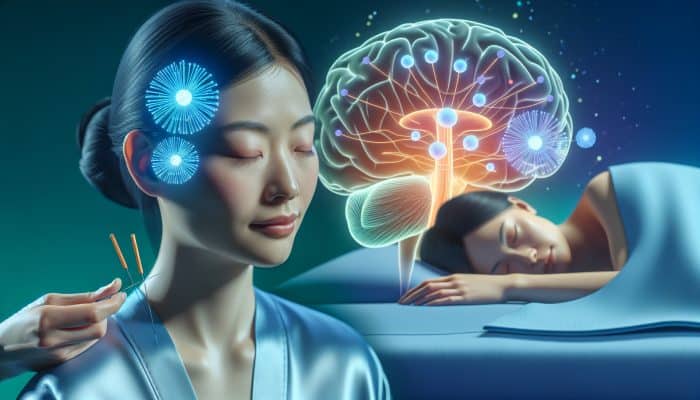
The effectiveness of acupuncture in addressing mental health concerns has been extensively researched in numerous studies. Investigations conducted within the UK have revealed that acupuncture can substantially alleviate symptoms associated with anxiety and depression, providing insight into its mechanisms and overall efficacy. Key findings from recent research include:
– Reduction of Anxiety Symptoms: Multiple studies indicate that patients undergoing acupuncture report significantly lower levels of anxiety following treatment sessions, highlighting its positive impact on mental health.
– Improvement in Sleep Quality: Research suggests that acupuncture can enhance sleep quality, thereby contributing to improved mental health outcomes for individuals who have insomnia linked to anxiety and depression.
– Neurotransmitter Regulation: Emerging studies propose that acupuncture may affect neurotransmitter levels in the brain, specifically serotonin and dopamine, both of which are crucial for mood regulation.
Ongoing research continues to delve into these aspects, seeking to provide further substantiation of acupuncture's role in mental health treatment. The growing body of evidence underscores acupuncture's potential as a complementary therapy alongside conventional treatment options.
Strategies for Integrating Acupuncture into Mental Health Care Plans
The incorporation of acupuncture into mental health care plans can yield significant benefits for patients throughout the UK, enhancing their overall treatment experience. Practitioners can adopt a collaborative approach by partnering with mental health professionals to develop comprehensive care strategies. Several effective methods for integrating acupuncture include:
– Complementary Therapy: Acupuncture can act as a supplementary treatment alongside psychological therapies, such as cognitive behavioural therapy (CBT), augmenting overall effectiveness.
– Patient-Centric Approach: By tailoring acupuncture sessions to meet individual patient needs, practitioners can address specific concerns, whether related to anxiety, depression, or stress, thereby improving treatment outcomes.
– Multidisciplinary Teams: Encouraging collaboration between acupuncturists and mental health professionals can facilitate more holistic care, ensuring that patients receive a comprehensive approach to their mental well-being.
– Education and Awareness: Providing training for mental health professionals about the benefits of acupuncture can promote referrals and encourage a more integrated approach within healthcare settings.
By acknowledging acupuncture as a valuable component of mental health treatment, healthcare providers can harness its advantages to enhance patient care and improve outcomes for individuals seeking relief from mental health challenges.
How Does Acupuncture Influence Mental Health Outcomes?
Understanding the Mechanisms of Action in the Brain

The impact of acupuncture on mental health is largely attributed to its effects on the brain's neurotransmitter systems. This practice is believed to modulate levels of key neurotransmitters, such as serotonin and dopamine, which are essential for regulating mood and emotional well-being.
Through the stimulation of specific acupuncture points, the body may release endorphins, which are natural pain-relieving chemicals that enhance feelings of well-being. This physiological response can lead to a decrease in anxiety and an uplifted mood, establishing acupuncture as a viable option for individuals grappling with mental health conditions. The modulation of these neurotransmitter systems can result in several beneficial outcomes:
– Enhanced Mood Regulation: By promoting an increase in serotonin levels, acupuncture can help stabilise mood and diminish feelings of depression and anxiety.
– Stress Response Modulation: Acupuncture has been shown to impact the hypothalamic-pituitary-adrenal (HPA) axis, which governs the body’s response to stress, potentially leading to a reduction in symptoms related to stress.
– Improved Sleep Quality: Given that serotonin is a precursor to melatonin, acupuncture may also encourage better sleep, a fundamental component of mental health management.
Grasping these mechanisms provides essential insights into how acupuncture can effectively contribute to mental health management, further enhancing its credibility as a complementary treatment option.
What Psychological Effects Do Patients Experience?
Individuals undergoing acupuncture often report significant psychological effects that contribute to enhanced mental health outcomes. Many patients experience a range of benefits, emphasising the holistic nature of this treatment approach.
Some of the most frequently reported psychological benefits of acupuncture include:
- Increased feelings of relaxation
- A noticeable reduction in anxiety symptoms
- Enhanced emotional stability
- Improved coping mechanisms for stress
- A greater sense of overall well-being
These advantages arise from acupuncture's ability to promote relaxation and alleviate tension, creating an environment conducive to emotional healing. The calming effects of acupuncture sessions can foster a profound sense of tranquillity, making it an effective tool for managing anxiety and stress levels.
Moreover, patients often describe their acupuncture experience as deeply restorative, which can bolster their overall mental resilience. As individuals learn to cope with their emotions more effectively and develop healthier responses, the long-term benefits of acupuncture in mental health become increasingly evident, providing a pathway to recovery and sustained well-being.
Reviewing Clinical Evidence from UK Studies
Numerous studies conducted in the UK have sought to evaluate the efficacy of acupuncture in treating mental health conditions, yielding a spectrum of results. Clinical evidence has unveiled both positive outcomes and areas where further investigation is essential to establish definitive benefits.
Recent research highlights include:
– Systematic Reviews: Comprehensive reviews of multiple studies indicate that acupuncture provides substantial relief from anxiety and depression symptoms, suggesting its efficacy as a complementary treatment option.
– Randomised Controlled Trials: Clinical trials revealed that patients receiving acupuncture alongside standard treatments exhibited a greater reduction in anxiety and depressive symptoms compared to those receiving standard care alone.
– Patient Satisfaction: Surveys and qualitative studies have demonstrated high levels of patient satisfaction, with many participants noting improvements in their mental health and overall quality of life following acupuncture treatments.
While these studies affirm the potential of acupuncture in mental health care, ongoing research remains crucial for substantiating these findings and exploring the most effective treatment protocols. Continued investigation into acupuncture's role in mental health can help solidify its place within the broader spectrum of therapies accessible to patients in the UK.
Expert Perspectives on Acupuncture's Role in Mental Health
Insights from Leading UK Practitioners
Prominent acupuncturists in the UK offer invaluable insights into the practical application of acupuncture in mental health treatment. Through interviews, these practitioners share their experiences and observations, illustrating the tangible benefits of acupuncture for patients grappling with mental health issues.
Many practitioners have reported significant improvements in their patients' mental health following acupuncture sessions. For example, an acupuncturist based in London described a case where a young woman suffering from severe anxiety experienced substantial relief after a series of treatments, resulting in enhanced daily functioning and an improved quality of life.
Another practitioner from Manchester shared their success in using acupuncture to support clients recovering from trauma. They emphasised the effectiveness of specific trauma-focused techniques that assist patients in processing their experiences, thereby facilitating emotional healing. By integrating acupuncture into their therapeutic offerings, they have enabled patients to access a broader array of treatments, thereby enhancing overall care.
These real-world examples not only underscore the practical applications of acupuncture in mental health treatment but also reflect the growing recognition of its value within the UK healthcare landscape. Practitioners consistently advocate for acupuncture as a complementary treatment, encouraging collaboration with other healthcare providers to optimise patient outcomes.
What Insights Do UK Researchers Provide?
Researchers from various UK universities are actively exploring the current landscape of acupuncture research about mental health. Their insights highlight both the advancements made and the challenges that persist in establishing acupuncture as a recognised treatment within conventional healthcare settings.
Many researchers concur that while evidence supporting the efficacy of acupuncture for mental health is expanding, challenges remain in standardising treatment protocols and measuring outcomes effectively. A researcher from a prominent university noted that further studies are needed to determine the optimal frequency and duration of acupuncture sessions tailored to different mental health conditions.
Furthermore, researchers stress the importance of integrating qualitative data to capture patient experiences and levels of satisfaction. Understanding how patients perceive the benefits of acupuncture can yield valuable insights for practitioners and aid in refining treatment methodologies.
Despite these challenges, optimism prevails within the research community regarding future directions for acupuncture studies. Increased funding and collaboration between academic institutions and practitioners are likely to yield more robust research, ultimately strengthening the evidence base for acupuncture in mental health treatment.
How Can Acupuncture Be Seamlessly Integrated into Mental Health Care?
Integrating acupuncture into mental health care necessitates collaboration and a commitment to patient-centred care. Healthcare providers can adopt several actionable steps to facilitate this integration, ensuring that patients have access to comprehensive treatment options.
One effective approach is to develop multidisciplinary teams that include acupuncturists, psychologists, and medical doctors. This collaborative effort allows for shared patient assessments and coordinated treatment planning, ensuring a unified approach to care.
Moreover, education and training programmes can be established to inform mental health professionals about the benefits and applications of acupuncture. By enhancing awareness and understanding, healthcare providers can make informed referrals to qualified acupuncturists, ultimately improving the overall treatment experience.
Creating pathways for communication between acupuncturists and mental health professionals can also prove advantageous. Regular meetings and case discussions can facilitate knowledge exchange and promote a more integrated approach to mental health care.
By implementing these strategies, healthcare providers can effectively incorporate acupuncture into mental health services, offering patients a holistic treatment option that addresses their mental and emotional well-being.
Identifying Common Mental Health Conditions Treated with Acupuncture
Managing Anxiety and Stress Through Acupuncture
Acupuncture has demonstrated considerable promise in alleviating symptoms of anxiety and stress within the UK population. This non-pharmacological treatment option presents an alternative for individuals seeking relief without the adverse effects often associated with conventional medications.
Case studies from various practitioners illustrate the effectiveness of acupuncture in managing anxiety. For example, one patient experiencing chronic anxiety reported notable improvements after a series of acupuncture treatments, highlighting a reduction in racing thoughts and an increased sense of calm. Practitioners often apply specific acupuncture points, such as Shenmen and Yintang, to facilitate relaxation and mitigate stress levels.
Moreover, research suggests that acupuncture may help regulate the body's stress response by modulating the hypothalamic-pituitary-adrenal (HPA) axis. This regulatory effect can lead to decreased cortisol levels, the hormone closely linked to stress, thereby promoting a more balanced emotional state.
As patients experience improved anxiety management through acupuncture, they frequently report enhanced coping strategies, resulting in better overall mental health outcomes. This approach not only addresses symptoms but also empowers individuals to manage their anxiety more effectively in daily life.
Addressing Depression and Mood Disorders with Acupuncture
Acupuncture is gaining recognition for its potential to alleviate symptoms of depression and mood disorders. Many patients in the UK have reported significant relief from depressive symptoms through acupuncture treatments, which may help regulate mood and enhance overall well-being.
Practitioners frequently observe a positive impact of acupuncture on patients with mild to moderate depression. One acupuncturist shared a success story involving a patient who, after a series of treatments, experienced a remarkable improvement in mood and energy levels. By targeting specific acupuncture points that influence emotional regulation, practitioners aim to restore balance and enhance the overall mental state of their patients.
Long-term outcomes for patients receiving acupuncture for depression can be particularly encouraging. Studies suggest that consistent treatment may lead to sustained improvements in mood, thereby reducing the risk of relapse. This long-term benefit is crucial for individuals managing chronic mood disorders, as it contributes to a greater sense of stability and overall well-being.
As awareness of acupuncture's role in treating depression continues to grow, more individuals are likely to explore this holistic approach as a viable option for enhancing their mental health and emotional resilience.
Utilising Acupuncture for PTSD and Trauma Recovery
Acupuncture is increasingly being recognised as a beneficial treatment for individuals recovering from PTSD and trauma in the UK. This practice offers a supportive pathway to managing symptoms and enhancing the quality of life for those affected by traumatic experiences.
Practitioners often employ trauma-specific acupuncture techniques, targeting areas that help alleviate symptoms associated with trauma. Techniques such as Ear Acupuncture, which focuses on points on the ear, have been shown to mitigate anxiety and facilitate emotional release significantly. Other methods may include stimulating the Shenmen and Kidney 3 points to foster grounding and emotional stability.
Patients often report significant changes in their emotional state following acupuncture sessions. A notable case involved a veteran suffering from PTSD, who experienced a dramatic reduction in flashbacks and heightened anxiety levels after treatment. The calming effects of acupuncture create a safe space for patients to process their experiences, thereby facilitating emotional healing and recovery.
Integrating acupuncture into trauma recovery plans may enhance traditional therapeutic approaches, offering individuals a holistic path to healing. As more practitioners acknowledge the effectiveness of acupuncture in this context, its application in PTSD recovery continues to expand within the UK's mental health services.
Improving Sleep Disorders and Insomnia with Acupuncture
Acupuncture has emerged as a valuable treatment option for individuals experiencing insomnia and other sleep disorders in the UK. By addressing the underlying causes of sleep disturbances, acupuncture helps improve both the quality and duration of sleep.
Research indicates that acupuncture can effectively promote relaxation, making it easier for patients to fall asleep and maintain restful sleep. The stimulation of acupuncture points, such as Kidney 3 and Pericardium 6, can help reduce anxiety and calm the mind, which are essential factors for achieving restful sleep.
Patient testimonials further underscore the impact of acupuncture on sleep disorders. Many individuals report significant improvements in their sleep patterns after regular sessions, leading to enhanced daytime functioning and overall well-being. One patient shared that after a series of treatments, they were able to achieve deep, uninterrupted sleep for the first time in years.
As the demand for natural remedies to combat sleep issues increases, acupuncture offers a compelling alternative for those seeking relief from insomnia and sleep-related challenges. By addressing both physical and emotional factors contributing to sleep disturbances, acupuncture enhances the overall quality of life for patients in the UK.
Managing Chronic Pain and Headaches through Acupuncture
For many individuals in the UK, acupuncture serves as an effective method for managing chronic pain and headaches. This practice presents a non-invasive alternative to pharmaceuticals, minimising reliance on pain medications while providing substantial relief.
Acupuncture is particularly beneficial for individuals experiencing tension headaches and migraines. Practitioners often utilise specific points, such as LI4 (Hegu) and GB20 (Fengchi), to alleviate pain and tension in the head and neck. Numerous patients report noticeable decreases in headache frequency and intensity following acupuncture treatment.
Patient experiences further highlight the effectiveness of acupuncture in managing chronic pain conditions, including fibromyalgia and arthritis. One case involved a patient with fibromyalgia who noted a marked reduction in pain levels and improved mobility after a course of acupuncture treatments. These outcomes suggest that acupuncture not only addresses immediate pain but may also contribute to long-term pain management strategies.
As individuals increasingly seek alternatives for pain relief, acupuncture stands out as a holistic option that can complement other treatment modalities. By incorporating acupuncture into pain management plans, healthcare providers can enhance the overall well-being of patients suffering from chronic pain and headaches in the UK.
What Advantages Does Acupuncture Offer for Mental Health?
Exploring Acupuncture as a Non-Invasive Treatment Option
Acupuncture provides a non-invasive alternative to medication for mental health challenges, appealing to individuals in search of natural treatment options. This aspect of acupuncture is particularly advantageous for patients in the UK, as it eliminates the risks of side effects that are often associated with pharmacological interventions.
One of the key benefits of acupuncture is its ability to facilitate relaxation and alleviate stress without the necessity for invasive procedures. Patients generally appreciate the gentle nature of this treatment, finding it less intimidating than surgical alternatives. This non-invasive approach empowers individuals to explore mental health treatment in a safe and supportive environment.
Additionally, acupuncture encourages patients to take an active role in their mental health care. By participating in regular sessions, individuals can foster a sense of empowerment and agency over their mental wellness journey. This aspect is particularly significant for those who may feel overwhelmed by their mental health struggles.
Overall, the non-invasive nature of acupuncture makes it an appealing option for individuals in the UK seeking effective, holistic approaches to mental health care.
Adopting a Holistic Approach to Well-being with Acupuncture
Acupuncture is grounded in a holistic philosophy that emphasises treating the whole person rather than merely addressing symptoms. This holistic approach aligns with the growing interest in integrative health practices within the UK, as more individuals seek treatments that consider their overall well-being.
By focusing on the interconnectedness of mind, body, and spirit, acupuncture offers a comprehensive approach to mental health. Practitioners consider not only the presenting issues but also the underlying factors contributing to a patient's condition. This thorough assessment enables the development of tailored treatment plans that address individual needs, fostering a deeper sense of healing and recovery.
The holistic philosophy of acupuncture empowers patients to explore the emotional and lifestyle factors that affect their mental health. This approach encourages individuals to implement positive lifestyle changes, engage in self-care practices, and develop healthier coping mechanisms, thereby leading to lasting improvements in their overall quality of life.
Patients frequently report feeling more balanced and centred after acupuncture sessions, reflecting the holistic nature of this practice. The integration of acupuncture into mental health care corresponds with the growing recognition that well-being encompasses much more than merely the absence of mental illness.
Assessing Cost-Effectiveness within the UK Healthcare System
Acupuncture can potentially serve as a cost-effective treatment within the UK's healthcare system, reducing the need for more expensive interventions. As healthcare costs continue to escalate, exploring alternative treatment options such as acupuncture becomes increasingly vital.
Research suggests that incorporating acupuncture into mental health treatment plans may result in decreased healthcare costs over time. By effectively managing symptoms associated with anxiety, depression, and chronic pain, acupuncture can diminish the reliance on medications, therapy sessions, and hospitalisations, ultimately saving costs for both patients and the healthcare system.
In comparison to traditional pharmacological treatments, acupuncture often proves to be a more affordable option for individuals seeking relief from mental health issues. Many practitioners offer flexible pricing structures, and some insurance plans may cover acupuncture treatments, enhancing accessibility for a broader population.
As policymakers examine cost-effective healthcare solutions, the integration of acupuncture into the NHS could contribute to more sustainable mental health care. This approach not only benefits patients economically but also supports the overall efficiency of the healthcare system in addressing mental health needs.
Challenges and Considerations Surrounding Acupuncture in the UK
Addressing Accessibility and Availability
Access to acupuncture services can vary considerably across the UK, with some regions boasting a wealth of practitioners while others remain underserved. These disparities present challenges for individuals seeking acupuncture as a treatment option for mental health issues.
To improve access, initiatives can be implemented to increase awareness of acupuncture services, particularly in rural or underserved areas. Local health campaigns can educate communities about the benefits of acupuncture and encourage individuals to seek treatment.
Additionally, integrating acupuncture into existing mental health services can help bridge the gap in accessibility. By collaborating with healthcare providers, acupuncture practitioners can establish referral pathways and work within established mental health frameworks, ensuring that individuals receive comprehensive care.
Technology can also play a pivotal role in enhancing accessibility. Telehealth services, where practitioners offer consultations and support remotely, can make acupuncture more accessible to individuals who may have difficulties travelling to appointments. By leveraging technology, practitioners can reach a wider audience and provide valuable support to those in need.
Ensuring Training and Qualifications of Practitioners
It is crucial to ensure that acupuncturists in the UK are properly trained and qualified to ensure patient safety and the efficacy of their treatments. The standardisation of training programmes and qualifications is essential for maintaining the integrity of acupuncture practice within the healthcare system.
To practice acupuncture safely, practitioners must undergo extensive training that encompasses both the theoretical and practical aspects of the discipline. Key qualifications and training programmes include:
– Diplomas in Acupuncture: Accredited training programmes typically last three to four years, focusing on the principles and techniques of traditional Chinese medicine.
– Continuing Professional Development (CPD): Ongoing education to keep practitioners informed about the latest research and treatment methodologies.
– Regulatory Body Membership: Practitioners are often required to be members of a recognised regulatory body, such as the BAcC, to ensure adherence to ethical standards and practices.
By implementing rigorous training and qualification requirements, the UK can guarantee that acupuncturists are well-equipped to provide safe and effective treatments for mental health issues. This emphasis on education enhances trust in acupuncture as a legitimate treatment within the healthcare system, benefiting both practitioners and patients alike.
Facilitating Integration with Conventional Mental Health Services
Integrating acupuncture into the UK's existing mental health services presents both challenges and opportunities. Collaboration among various healthcare providers is essential for developing effective integration strategies that ensure patients receive comprehensive care.
One of the primary barriers to integration is the lack of awareness among mental health professionals regarding the benefits of acupuncture. Educating healthcare providers about the efficacy of acupuncture can foster collaboration and encourage referrals to qualified practitioners.
Furthermore, established protocols for incorporating acupuncture into treatment plans are necessary. Developing clear guidelines on when and how to integrate acupuncture into conventional mental health treatments can help standardise practices and enhance patient care.
Additionally, addressing funding and reimbursement concerns is critical for facilitating integration. As healthcare budgets face increasing scrutiny, demonstrating the cost-effectiveness of acupuncture can support its inclusion as a standard treatment option within mental health services.
By overcoming these challenges through collaboration, education, and policy advocacy, acupuncture can be effectively integrated into the UK’s mental health framework, providing patients with a holistic approach to their care.
Exploring Future Directions for Acupuncture in Mental Health
Advancing Research and Development in the UK
Ongoing research in the UK is investigating innovative applications and techniques for acupuncture in mental health, paving the way for new treatment approaches. Promising areas of study include:
– Personalised Treatment Protocols: Research is centred on developing tailored acupuncture protocols for specific mental health conditions, thereby enhancing treatment effectiveness.
– Combination Therapies: Investigating the integration of acupuncture with other therapeutic modalities, such as CBT or mindfulness practices, to improve overall treatment outcomes.
– Technological Advancements: Exploring the use of digital health tools and remote monitoring to support acupuncture practice and patient engagement.
As researchers delve into these areas, the potential for acupuncture to assume a more significant role in mental health care becomes increasingly apparent. Continued funding and support for research initiatives will be essential to validate acupuncture's efficacy further and integrate it into mainstream mental health treatment.
Policy and Funding Considerations for Acupuncture
UK policymakers and funding bodies play a critical role in promoting acupuncture research and its integration into healthcare systems. To facilitate this, policies must be adapted to recognise the benefits of acupuncture in mental health treatment.
One approach is to establish funding mechanisms specifically for acupuncture research, allowing for rigorous studies that evaluate its efficacy and safety. This funding can pave the way for clinical trials that contribute to the body of evidence supporting the role of acupuncture in mental health care.
Additionally, policymakers should consider creating guidelines that incorporate acupuncture into existing mental health frameworks. By recognising acupuncture as a complementary treatment, healthcare providers can confidently include it in patient care plans.
Moreover, public health initiatives can raise awareness of acupuncture's benefits for mental health, encouraging individuals to explore this treatment option. Increased public understanding can lead to greater acceptance and demand for acupuncture within the healthcare system.
These policy and funding considerations can help establish a robust foundation for acupuncture's integration into mental health services, ultimately benefiting patients and enhancing the overall quality of care.
Enhancing Public Awareness and Education About Acupuncture
Increasing public awareness and education about the benefits of acupuncture for mental health is crucial in the UK. By fostering a deeper understanding of this treatment option, individuals can make informed decisions regarding their mental health care.
Public health campaigns can significantly promote acupuncture as a viable treatment for mental health issues. Educational materials that highlight the benefits, safety, and accessibility of acupuncture can encourage individuals to consider it as part of their overall treatment plan.
Additionally, community workshops and seminars can provide opportunities for individuals to learn more about acupuncture and its applications in mental health. By engaging with both practitioners and researchers, the public can gain valuable insights into how acupuncture works and the potential benefits it can offer.
Furthermore, utilising social media platforms and online resources can help disseminate information about acupuncture to a broader audience. By harnessing the power of digital communication, practitioners can promote awareness and encourage conversations surrounding mental health and acupuncture.
As public understanding of acupuncture expands, patients may feel more empowered to explore this holistic treatment option, leading to improved mental health outcomes and a more comprehensive approach to care.
Integrating Acupuncture into NHS Services for Enhanced Care
Exploring ways to incorporate acupuncture into NHS mental health services could significantly enhance patient care across the UK. This integration requires strategic planning and collaboration among various healthcare sectors.
One of the critical steps needed to facilitate this integration is developing clear protocols for acupuncture practice within NHS settings. Establishing guidelines that outline when and how to refer patients for acupuncture can streamline the process and ensure consistent care.
Additionally, training NHS staff on the benefits and applications of acupuncture can enhance understanding and encourage collaborative treatment approaches. By fostering a culture of openness and learning, NHS professionals can effectively integrate acupuncture into their practice.
Monitoring and evaluating patient feedback and outcomes is crucial for assessing the effectiveness of acupuncture within NHS services. Collecting data on patient experiences can provide valuable insights into the impact of acupuncture on mental health treatment.
Through these efforts, acupuncture can be successfully integrated into NHS mental health services, offering patients holistic treatment options that address their mental and emotional well-being.
Frequently Asked Questions About Acupuncture
What is acupuncture?
Acupuncture is a traditional Chinese medicine technique that involves inserting needles into specific points on the body to balance the flow of energy and promote overall well-being and healing.
How does acupuncture help with mental health?
Acupuncture can assist with mental health by regulating neurotransmitters, alleviating symptoms of anxiety and depression, and fostering relaxation.
Is acupuncture safe for mental health treatment?
Yes, acupuncture is generally regarded as safe when performed by qualified practitioners, with minimal side effects compared to conventional medications.
How many acupuncture sessions are needed for mental health improvement?
The number of sessions varies by individual and condition, but many patients report improvements after a series of 6 to 12 treatments.
Can acupuncture replace conventional mental health treatments?
Acupuncture can complement conventional treatments but should not be used as a replacement for them without consulting a healthcare provider.
Are there specific acupuncture points for anxiety?
Yes, common points for anxiety include Shenmen, Yintang, and Pericardium 6, which are used to promote relaxation and emotional balance.
What should I expect during an acupuncture session?
During an acupuncture session, you can expect a calm environment where needles are gently inserted into specific points, often resulting in feelings of calm and well-being.
Does the NHS cover acupuncture?
Coverage for acupuncture varies by NHS region and specific conditions; it’s advisable to check with your local NHS authority for details.
Can acupuncture help with insomnia?
Yes, acupuncture can be effective in treating insomnia by promoting relaxation and improving sleep quality through targeted point stimulation.
How can I find a qualified acupuncturist in the UK?
You can find a qualified acupuncturist by checking the British Acupuncture Council (BAcC) or other regulatory bodies that maintain a register of practitioners.