


Exploring the Connection Between Mental Health and Gut Health in the UK
Unpacking the Gut-Brain Axis
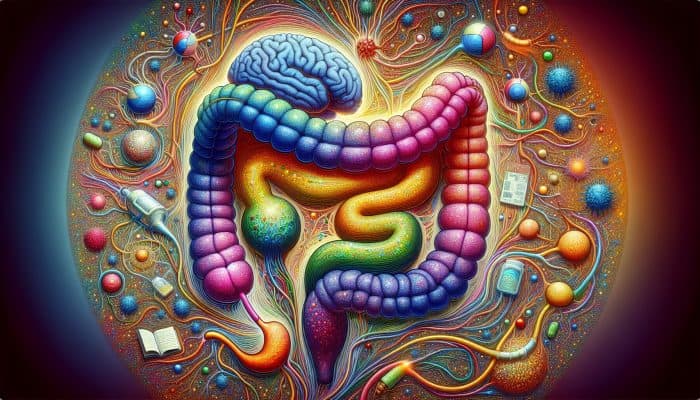
Mental Health and Gut Health: The gut-brain axis is an intricate communication network linking the gastrointestinal tract with the central nervous system, significantly impacting both mental health and emotional well-being. This axis functions through a complex interplay of neural, hormonal, and immunological signals, facilitating constant feedback between the gut and the brain. The gut, often referred to as the “second brain,” boasts an extensive network of neurons and has the remarkable ability to produce neurotransmitters, such as serotonin, which is primarily located in the digestive system. This profound connection underscores the significance of recognising how gut health impacts mental health and emotional resilience.
Research suggests that the health of our gut microbiome—the diverse community of microorganisms that inhabit our intestines—can have a significant impact on our mood and overall mental health. For example, an imbalance in gut bacteria, referred to as dysbiosis, has been linked to mental health conditions such as anxiety and depression. This relationship holds particular significance in the UK, where stressors such as economic instability and social isolation can exacerbate mental health issues. Gaining insights into this gut-brain communication pathway is crucial for developing more comprehensive approaches to mental health treatment, which should include dietary and lifestyle changes aimed at enhancing gut health.
The Rising Incidence of Mental Health Disorders in the UK
In the UK, mental health disorders are alarmingly widespread, impacting millions of individuals each year. Recent statistics reveal that around one in four adults will experience a mental health issue annually, with anxiety and depression being the most prevalent. These disorders do not merely affect individual lives; they also exert immense pressure on the healthcare system, resulting in a growing demand for mental health services. The COVID-19 pandemic has further intensified these problems, with increasing reports of anxiety and feelings of loneliness permeating society.
Such a high incidence of mental health disorders underscores the urgent need for innovative treatment strategies, particularly those that consider the role of gut health. As research continues to illuminate the connection between gut microbiota and mental well-being, there is a burgeoning recognition of how dietary modifications and interventions aimed at improving gut health can serve as valuable adjunct therapies in managing mental health conditions.
How Does Diet Influence Mental Well-being?
Diet plays a pivotal role in shaping mental health, with emerging studies suggesting that our dietary choices can directly impact our mood and cognitive function. In the UK, traditional diets that are often high in processed foods, sugars, and unhealthy fats can contribute to detrimental mental health outcomes. In contrast, diets rich in whole foods—especially those abundant in fibre, vitamins, and healthy fats—can foster a flourishing gut microbiome and, consequently, enhance mental well-being.
Specific nutrients, including omega-3 fatty acids, B vitamins, and antioxidants, are crucial for maintaining brain health. For instance, omega-3 fatty acids, predominantly found in oily fish like salmon, can help reduce inflammation and promote neurogenesis, while B vitamins are essential for synthesising neurotransmitters. Moreover, a diet rich in fruits, vegetables, and whole grains supports a healthy gut microbiome, which is increasingly recognised as the foundation of good mental health. Making informed dietary choices can significantly enhance mental well-being and increase resilience against mental health disorders.
Insights from Experts on the Interconnection of Mental Health and Gut Health

Real-Life Examples Illustrating Gut Health's Impact on Mental Health
Numerous anecdotal accounts from residents across the UK highlight the profound effects of gut health on mental health. One such example is a young professional from London, who shared her transformative experience after adopting a gut-friendly diet. After years of struggling with anxiety and depression, she began focusing on her gut health by incorporating more fermented foods such as kefir and sauerkraut into her meals. Within a few weeks, she observed a remarkable reduction in her anxiety levels and an overall uplift in her mood, demonstrating the tangible benefits of dietary interventions.
In a similar vein, a family from Manchester discovered that by eliminating processed sugars and embracing whole foods, their teenage son experienced a significant decline in his depressive episodes. This real-world evidence underscores the importance of gut health interventions as effective strategies for managing mental health issues.
The key advantages of enhancing gut health include:
- Improved mood and emotional resilience
- Reduction in symptoms of anxiety and depression
- Enhanced cognitive function and focus
- Increased energy levels and decreased fatigue
- Better sleep quality
- Improved digestive health
- Overall enhanced quality of life
- Boosted self-esteem and motivation
What Recent Research Findings Are Emerging?
Recent studies conducted in the UK have begun to illuminate the intricate relationship between gut microbiota and mental health, emphasising the importance of maintaining a balanced gut for emotional stability. Research has identified certain strains of probiotics, including Lactobacillus and Bifidobacterium, that exhibit beneficial effects on mood and anxiety levels. These findings suggest that targeted probiotic supplementation could serve as a promising adjunct therapy for individuals grappling with mental health disorders.
Key takeaways from these studies include the understanding that:
– Diversity of the gut microbiome correlates with improved mental health outcomes.
– Specific dietary patterns, especially those rich in fermented foods, support a healthy gut microbiome.
– Prebiotics can enhance the effectiveness of probiotics by providing nourishment to beneficial gut bacteria, further bolstering mental health. Individualised treatment strategies targeting the gut-brain axis show promise for future mental health interventions.
As researchers delve deeper into this connection, it is becoming increasingly clear that gut health should be a cornerstone of mental health treatment strategies.
What Practical Steps Can Be Taken to Improve Gut Health?

Enhancing gut health can be a straightforward endeavour, with various dietary changes and lifestyle modifications that UK residents can adopt to improve their mental well-being. Here are some actionable recommendations:
1. Incorporate fermented foods: Adding foods such as yoghurt, kefir, kombucha, and sauerkraut can enrich gut microbiota.
2. Increase fibre intake: Including more fruits, vegetables, whole grains, and legumes provides prebiotics that nourish beneficial gut bacteria.
3. Stay hydrated: Drinking sufficient water supports digestion and overall gut health.
4. Limit processed foods: Reducing sugar and unhealthy fat intake can aid in maintaining a balanced gut microbiome.
5. Consider probiotics: Supplementing with probiotics can help restore gut flora, particularly following antibiotic use.
6. Engage in regular physical activity: Exercise boosts gut motility and can promote a healthier microbiome.
7. Manage stress effectively: Techniques such as mindfulness, meditation, and yoga can positively influence gut health.
Prioritise sleep: Ensuring adequate and quality sleep is vital for maintaining both gut and mental health.
Implementing these steps can lead to significant improvements in gut health, thereby enhancing mental well-being.
How is the UK Healthcare System Addressing the Interplay Between Gut and Mental Health?
Understanding the Availability of Mental Health Services in the UK
The National Health Service (NHS) in the UK provides a comprehensive array of mental health services, including therapy, medication, and crisis intervention. However, accessing these services can be challenging, with waiting times differing greatly across regions. For example, urban areas may boast more resources but also face higher demand, resulting in longer waiting periods for treatment.
Effectively navigating the mental health services offered by the NHS requires an active approach. Individuals should seek referrals from their General Practitioner (GP) for any mental health concerns. GPs can then direct patients to suitable resources, such as the Improving Access to Psychological Therapies (IAPT) programme, which offers talking therapies for anxiety and depression.
Individuals must advocate for their health by actively engaging with their healthcare providers, exploring available options, and understanding their rights to timely access to care. Familiarity with local mental health resources can empower individuals to seek the support they need.
How is Gut Health Integrated into Mental Health Care?
In recent years, there has been a growing awareness within the UK healthcare system regarding the significance of gut health in mental health treatment. Some pioneering healthcare providers have begun to integrate gut health assessments into mental health care plans. This holistic approach is gradually gaining traction, acknowledging the interconnectedness of physical and mental health.
Initiatives to incorporate gut health into mental health care include collaborations between dietetics, psychology, and general practice, aimed at developing comprehensive care plans. Furthermore, training healthcare professionals to recognise signs of gut-related health issues in patients presenting with mental health concerns is crucial for early intervention. This shift towards an integrated model of care strives to deliver a more effective and tailored approach to mental health treatment.
What Role Does Private Healthcare Play in the UK?
Private healthcare options in the UK provide additional resources for those seeking specialised care for both mental and gut health. Numerous private clinics offer personalised services, which may include advanced nutritional assessments, gut microbiome analysis, and tailored dietary planning. These services can be particularly beneficial for individuals who have not achieved success with traditional methods or who seek a more comprehensive approach to their health.
However, choosing private care also presents its own challenges. The costs can be prohibitive, and not all services may be covered by health insurance. Additionally, the quality of care can vary significantly between providers. Therefore, it is essential for individuals to thoroughly research potential private healthcare providers and consider seeking recommendations from trusted sources. Balancing the benefits against the drawbacks will help individuals make informed decisions about their healthcare options.
Common Gut Health Issues in the UK and Their Mental Health Implications
The Prevalence of Irritable Bowel Syndrome (IBS) in the UK
is a common condition in the UK, impacting approximately 20% of the population. This functional gastrointestinal disorder is characterised by symptoms such as abdominal pain, bloating, and altered bowel habits. Importantly, IBS is frequently associated with mental health issues, particularly anxiety and depression, resulting in a challenging cycle that can be difficult to escape.
The relationship between IBS and mental health is complex. Stress and anxiety can worsen IBS symptoms, while the discomfort and unpredictability of IBS can contribute to heightened feelings of anxiety and depression. It is crucial for individuals suffering from IBS to pursue comprehensive treatment that addresses both gastrointestinal symptoms and mental health concerns. This may involve dietary modifications, psychological therapies, and stress management strategies, all designed to enhance the overall quality of life.
How Does Inflammatory Bowel Disease (IBD) Impact Mental Health?
, which encompasses Crohn's disease and ulcerative colitis, can impose significant mental health challenges for affected individuals. The chronic nature of IB, characterised by cycles of flare-ups and remission, often generates feelings of uncertainty and stress. Living with chronic pain and lifestyle disruptions can contribute to the development of anxiety and depression in those with IBD.
The psychological ramifications of living with IBD may include increased feelings of isolation, frustration, and helplessness. Therefore, healthcare providers need to adopt a multidisciplinary approach to managing IBD, which includes not only addressing physical symptoms but also offering psychological support. Cognitive behavioural therapy (CBT) and support groups can serve as effective resources for individuals grappling with the mental health implications of IBD, fostering resilience and coping strategies.
Understanding the Psychological Impact of Celiac Disease
necessitates strict adherence to a gluten-free diet, which can lead to various social and psychological challenges. The rigorous dietary management required for celiac disease often results in feelings of social isolation, particularly when dining out or attending social gatherings. The anxiety surrounding potential gluten exposure can amplify feelings of stress and adversely affect mental health.
Individuals living with celiac disease can safeguard their mental well-being by engaging with support groups dedicated to celiac disease, fostering community and understanding. Additionally, education about living gluten-free empowers those affected, equipping them with essential tools to navigate social situations with confidence. Mental health professionals should also be cognisant of the psychological impacts associated with celiac disease and provide strategies to manage anxiety and uphold a positive outlook.
How Does Gastroesophageal Reflux Disease (GERD) Influence Mental Health?
It is another gastrointestinal condition that can significantly affect mental health. The discomfort associated with GERD, including heartburn and sleep disturbances, can lead to heightened levels of stress and anxiety. The chronic nature of GERD may leave individuals feeling exhausted and overwhelmed, further exacerbating mental health issues.
Effectively managing GERD often necessitates lifestyle changes such as dietary modifications, weight management, and stress reduction techniques. By addressing GERD symptoms, individuals may also experience improvements in their mental health. Comprehensive treatment plans should consider both physical and mental health aspects to ensure a holistic approach to care.
The Connection Between Gut Infections and Mood Disorders
Gut infections can disrupt the delicate balance of the gut microbiome, contributing to mood disorders such as depression and anxiety. Infections caused by pathogens can lead to inflammation and dysbiosis, which in turn affect neurotransmitter production and gut-brain communication. Understanding the mental health repercussions of chronic gut infections is vital for effective treatment.
Individuals experiencing gut infections should seek prompt medical attention to address the underlying causes of their symptoms. Treatment may involve antibiotics or probiotics to restore gut balance. Mental health support should also be considered, as individuals may experience anxiety related to their health conditions. Techniques such as mindfulness practices, cognitive-behavioural therapies, and even emerging therapies may provide tools for managing the psychological impact of chronic gut infections.
Dietary Patterns in the UK and Their Impact on Mental Health
Examining the Traditional British Diet and Its Effects on Mental Health
The traditional British diet, often characterised by a high intake of processed foods, sugars, and unhealthy fats, can be detrimental to mental health. Many typical British meals lack essential nutrients required for a healthy gut microbiome, which can subsequently influence mood, cognitive function, and overall mental well-being. The prevalence of convenience foods and takeaways can exacerbate these dietary issues, leading to a cycle of poor nutritional choices and declining mental health.
To combat these trends, individuals can explore healthier alternatives within the framework of UK dietary culture. Emphasising whole foods, such as fruits, vegetables, lean proteins, and whole grains, can significantly enhance mental health outcomes. Furthermore, incorporating traditional British foods like porridge, roasted vegetables, and fish can offer nutrient-dense options that positively contribute to mental well-being.
The Positive Influence of the Mediterranean Diet on Mental Well-being
Adopting a Mediterranean diet, rich in fruits, vegetables, whole grains, and healthy fats such as olive oil, has been shown to improve mental health outcomes. This dietary pattern is associated with lower levels of depression and anxiety, likely due to its anti-inflammatory properties and beneficial effects on gut health. The Mediterranean diet encourages the consumption of nutrient-dense foods that promote a diverse and thriving gut microbiome.
UK residents can incorporate principles of the Mediterranean diet into their daily routines by including more plant-based meals, using olive oil for cooking, and opting for fresh produce. Engaging in shared meals, a vital aspect of Mediterranean culture, can also foster social connections and emotional well-being. Simple swaps, such as replacing white bread with whole grain or enjoying a vegetable-rich salad, can lead to notable improvements in mental health outcomes.
What Advantages Does a Plant-Based Diet Offer?
A plant-based diet has been linked to enhanced gut health and reduced inflammation, both of which can positively influence mental health. This dietary approach prioritises the consumption of fruits, vegetables, legumes, nuts, and whole grains, which are rich in fibre, vitamins, and antioxidants. Research indicates that individuals following a plant-based diet often report lower rates of anxiety and depression compared to those adhering to a more traditional dietary pattern.
Key plant-based foods that support mental health include:
- Leafy greens (e.g., spinach, kale)
- Berries (e.g., blueberries, strawberries)
- Walnuts and flaxseeds (rich in omega-3 fatty acids)
- Legumes (e.g., lentils, chickpeas)
- Whole grains (e.g., brown rice, quinoa)
- Fermented foods (e.g., kimchi, sauerkraut)
- Avocado (healthy fats)
- Sweet potatoes (rich in vitamins and minerals)
Incorporating these specific foods can foster gut health, potentially leading to improvements in mental health and overall well-being.
Research-Backed Advantages of Mental Health and Gut Health
Expert Analysis on the Role of Probiotics
Probiotics have a significant influence on mental health by altering the gut microbiota. Specific strains of probiotics have been shown to offer psychological benefits, with research indicating that Lactobacillus and Bifidobacterium species can effectively alleviate symptoms of anxiety and depression. These probiotics facilitate communication within the gut-brain axis, promoting the production of neurotransmitters such as serotonin and gamma-aminobutyric acid (GABA), both of which are essential for regulating mood.
Incorporating probiotic-rich foods, such as yoghurt and fermented products, into the diet can be a practical strategy for enhancing mental health. Furthermore, targeted probiotic supplementation tailored to individual needs can optimise these benefits. As research continues to expand, understanding the specific strains that yield the most psychological advantages will be crucial for developing effective gut health interventions centred on mental well-being.
How Do Prebiotics Influence Mental Well-being?
Prebiotics serve as nourishment for beneficial gut bacteria, promoting their growth and activity. By enhancing the gut microbiome, prebiotics may lead to improved mental health outcomes. The best sources of prebiotics in the UK diet include foods such as garlic, onions, leeks, asparagus, bananas, and oats. These foods not only nourish gut bacteria but also contribute positively to overall digestive health.
Research suggests that consuming prebiotics can improve mood and reduce anxiety levels, underscoring their potential role in supporting mental health. As individuals strive to enhance their mental well-being, increasing their intake of prebiotic-rich foods can serve as a straightforward yet effective strategy for bolstering both gut and mental health.
What Are the Long-Term Benefits of Gut Health Interventions?
Long-term studies indicate that maintaining good gut health can lead to sustained improvements in mental health. Individuals who actively engage in gut health interventions, including dietary modifications and regular physical activity, often report improved mental health outcomes over time. These interventions can cultivate a balanced gut microbiome, reduce inflammation, and optimise neurotransmitter production—all vital factors contributing to mental well-being.
Key findings from these long-term studies include:
– Individuals with a healthy gut microbiome experience lower rates of mood disorders.
– Dietary interventions that support gut health yield lasting positive effects on mental health.
– Regular monitoring and adjustment of gut health strategies can lead to sustained improvements in overall health.
Prioritising gut health, individuals can achieve not only temporary relief from mental health symptoms but also enduring enhancements in their quality of life.
How Can UK Residents Enhance Their Gut Health for Improved Mental Health?
The Significance of Regular Exercise
Regular physical activity plays a crucial role in enhancing gut health and alleviating symptoms of mental health disorders. Engaging in exercise stimulates gut motility, boosts blood flow to the digestive system, and promotes the growth of beneficial gut bacteria. Moreover, physical activity is known to release endorphins and elevate serotonin levels, contributing to improved mood and reduced anxiety.
Types of exercise particularly beneficial for gut and mental health include aerobic activities such as walking, jogging, cycling, and swimming, as well as strength training and mind-body exercises like yoga and tai chi. Individuals should aim for at least 150 minutes of moderate-intensity exercise each week, mixing various activities to maintain an enjoyable routine. Prioritising regular exercise, UK residents can effectively enhance both their gut health and mental well-being.
Implementing Effective Stress Management Techniques
Stress negatively impacts both gut health and mental well-being, creating a cycle of worsening symptoms. Adopting effective stress management techniques can help mitigate these effects and enhance overall well-being. Techniques that UK residents can implement include mindfulness meditation, deep breathing exercises, progressive muscle relaxation, and engaging in hobbies that promote relaxation and enjoyment.
Furthermore, spending time in nature, practising gratitude, and maintaining connections with friends and family can further bolster stress management efforts. By incorporating these strategies into their daily routines, individuals can foster resilience against stress, enhancing both gut health and mental well-being.
The Critical Role of Sleep in Gut and Mental Health
Adequate sleep is vital for sustaining both gut health and mental well-being. Poor sleep quality can disrupt the balance of gut microbiota and negatively influence neurotransmitter production, leading to heightened feelings of anxiety and depression. Conversely, a healthy gut can promote better sleep quality, establishing a reciprocal relationship between these two aspects of health.
UK residents can improve their sleep quality by establishing a consistent sleep schedule, creating a calming bedtime routine, optimising their sleep environment, minimising caffeine and screen time before bed, and adopting relaxation techniques, which can also enhance sleep hygiene. Prioritising sleep can significantly boost an individual's gut health and support their mental well-being.
Supplementing for Enhanced Mental Health and Gut Health in the UK
What Are the Most Effective Supplements for Gut Health?
Certain supplements can effectively support gut health, potentially leading to improved mental health outcomes. For UK residents, omega-3 fatty acids and vitamin D are particularly noteworthy. Omega-3s, present in fish oil and algal oil supplements, possess anti-inflammatory properties that can benefit both gut and mental health. Meanwhile, vitamin D is essential for immune function and has been linked to mood regulation.
Other advantageous supplements include magnesium, which aids in relaxation and improving sleep quality, and prebiotic fibres that nourish gut bacteria. Before initiating any supplementation regimen, individuals should consult with a healthcare professional to determine the appropriate dosage and ensure safety, particularly in the context of existing health conditions or medications.
How Do Probiotic Supplements Influence Mental Health?
Probiotic supplements have gained popularity for their potential to alter gut microbiota and improve mental health. Research indicates that specific strains, such as Lactobacillus rhamnosus and Bifidobacterium longum, may be particularly effective in alleviating symptoms of anxiety and depression. The efficacy of these supplements can vary based on the strain used and the individual's unique microbiome.
When selecting probiotic supplements, individuals should consider factors such as the number of colony-forming units (CFUs), the diversity of strains, and expiration dates. It is also essential to incorporate probiotics into a balanced diet that supports overall gut health, maximising the potential benefits for mental well-being.
What Are the Risks and Benefits of Supplements?
While supplements can provide significant benefits, they also carry potential risks and interactions that UK residents should be aware of. Over-reliance on supplements without addressing dietary and lifestyle factors can lead to nutrient intake imbalances. Moreover, certain supplements may interact with medications, resulting in adverse effects.
Individuals should approach supplementation cautiously, prioritising a balanced diet and consulting healthcare providers for guidance. Monitoring for any side effects and adjusting dosages as needed can help mitigate risks while maximising the advantages of supplements for gut and mental health.
Future Directions for Mental Health and Gut Health Research in the UK
Exploring Emerging Therapies and Interventions
Current research in the UK is investigating innovative therapies, such as faecal microbiota transplantation (FMT), which shows promise in enhancing both gut and mental health. FMT involves transferring microbiota from a healthy donor to a recipient, potentially restoring a balanced gut microbiome. Preliminary studies suggest that FMT may hold beneficial effects for certain mental health conditions, although further extensive research is necessary to validate these findings.
As our understanding of the gut-brain axis deepens, new therapeutic approaches that integrate gut health into mental health treatment are likely to emerge. This could lead to personalised interventions tailored to individual microbiome profiles, providing more effective mental health care.
What Role Does Technology Play in Monitoring Gut Health?
The increasing availability of wearable technology and mobile applications presents exciting opportunities for monitoring gut health and supporting mental health management. Various apps allow users to track dietary intake, symptoms, and mood fluctuations, promoting greater awareness of the connection between gut health and mental well-being.
UK residents can utilise these technologies to identify patterns and correlations, enabling them to make informed decisions about their dietary and lifestyle choices. Additionally, wearable devices can monitor physical activity and stress levels, offering valuable insights into overall health. As technology continues to advance, it will play a crucial role in facilitating personalised health management strategies.
What Should Be the Priorities for Future Research?
Future research in the UK should focus on developing personalised approaches to gut and mental health, considering individual dietary and lifestyle factors. This could involve large-scale studies investigating the effects of specific dietary patterns on gut health and mental well-being across diverse populations.
Moreover, exploring the role of the gut microbiome in mental health disorders beyond anxiety and depression—including conditions such as schizophrenia and bipolar disorder—represents a promising area for further investigation. Research should also assess the long-term effects of dietary interventions on mental health outcomes, contributing to the formulation of evidence-based guidelines for enhancing mental well-being through improved gut health.
How Are Gut and Mental Health Services Being Integrated?
Efforts are underway to integrate gut and mental health services within the UK, aiming to provide holistic care that addresses both aspects concurrently. This integration could involve collaboration among gastroenterologists, psychiatrists, dietitians, and psychologists to create comprehensive treatment plans for individuals facing both gut and mental health challenges.
By fostering communication between these disciplines, healthcare providers can deliver more effective personalised care, ultimately enhancing patient outcomes. As this integrated model continues to evolve, it will pave the way for a more comprehensive understanding of health that encompasses the well-being of both the gut and mind.
Frequently Asked Questions
What is the gut-brain axis?
The gut-brain axis is a bidirectional communication network linking the gastrointestinal tract with the central nervous system, influencing mental health and emotional well-being through neural, hormonal, and immunological signals.
How does diet affect mental health?
Diet plays a critical role in mental health, with certain foods affecting mood and cognitive function. Nutrient-rich diets can promote gut health, which in turn can lead to improved mental well-being.
Can probiotics improve mental health?
Yes, probiotics can positively influence mental health by promoting a healthy gut microbiome. Specific strains have been shown to alleviate symptoms of anxiety and depression.
What are common gut health issues in the UK?
Common gut health issues in the UK include Irritable Bowel Syndrome (IBS), Inflammatory Bowel Disease (IBD), and Gastroesophageal Reflux Disease (GERD), all of which can impact mental health.
What role does exercise play in gut health?
Regular exercise enhances gut motility, supports a healthy microbiome, and releases endorphins, all of which contribute to improved mental health.
How can I improve my gut health?
Improving gut health can be achieved through dietary changes, including increasing fibre intake, incorporating fermented foods, staying hydrated, and effectively managing stress.
What are the benefits of a plant-based diet?
A plant-based diet can enhance gut health and reduce inflammation, potentially leading to improvements in mental health, as nutrient-dense foods support both aspects.
What supplements can support gut health?
Supplements such as omega-3 fatty acids, vitamin D, and prebiotics can support gut health, potentially leading to improved mental health outcomes.
How does sleep affect gut and mental health?
Adequate sleep is crucial for maintaining gut health, as insufficient sleep can disrupt the gut microbiota and negatively impact mental well-being.
What is the future of mental health and gut health research?
Future research should prioritise personalised approaches to gut and mental health, exploring the microbiome's role in various mental health disorders and integrating treatment services for comprehensive care.


