


Understanding Women’s Health in the UK: A Comprehensive Overview
Exploring the Historical Development of Women’s Health
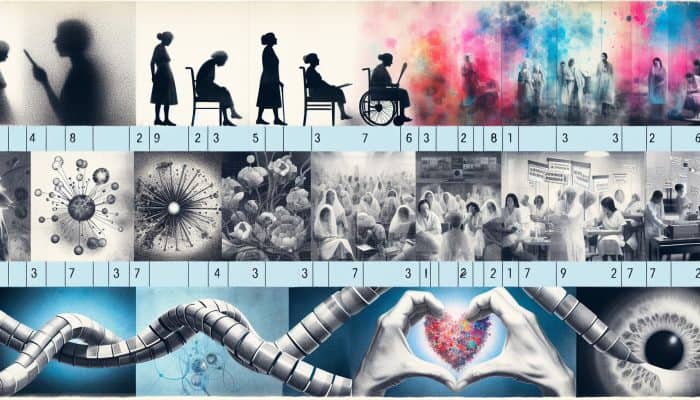
Women’s Health in Modern Society: The journey of women’s health in the UK has witnessed transformative milestones that mirror evolving societal views, advancements in medical practices, and significant policy shifts. In earlier times, women's health issues were frequently overlooked, with many health conditions receiving minimal attention in medical research and healthcare provision. The suffragette movement, particularly during the early 20th century, played a crucial role in raising awareness about women's rights, encompassing their health and well-being. The establishment of the National Health Service (NHS) in 1948 marked a significant turning point, as it provided comprehensive healthcare services that included support for reproductive health.
During the 1960s and 1970s, monumental progress occurred with the introduction of the contraceptive pill, empowering women with greater autonomy over their reproductive health. This era also saw the emergence of feminist movements that fought for increased awareness regarding issues like domestic violence and mental health. The subsequent decades, particularly the 1980s and 1990s, brought about critical changes, as the unique health concerns of women began to be recognised, leading to the development of more tailored healthcare policies. In recent times, there has been a growing emphasis on intersectionality in health, acknowledging how factors such as race, class, and socioeconomic status significantly impact health outcomes among women.
Assessing the Current Landscape of Women’s Health Services
The contemporary landscape of women’s health services in the UK is complex and multifaceted, offering a variety of services through both the NHS and private healthcare sectors. The NHS provides a comprehensive range of healthcare services, including access to general practitioners (GPs), specialist clinics focusing on reproductive health, and mental health support. While access to care is generally robust, notable disparities exist, especially in rural regions where healthcare services may be scarce or less accessible.
Private healthcare presents alternative options, often facilitating quicker access to specialists and treatments. Nevertheless, the financial implications can be a barrier for some women, underscoring the necessity of NHS services. Although the quality of care has improved significantly, challenges persist, including lengthy waiting times for certain services and the ongoing need for better education on women-centric health issues. Ongoing efforts aim to bridge these gaps, ensuring that women receive timely and equitable healthcare tailored to their specific needs.
Analysing Key Statistics on Women’s Health in the UK
Key statistics provide a critical understanding of the current state of women’s health in the UK, highlighting both advancements and persisting challenges. Recent reports indicate that the average life expectancy for women in the UK is approximately 83 years, reflecting notable improvements in healthcare quality and overall living conditions. However, health conditions such as breast cancer, cervical cancer, and heart disease continue to be prevalent, with breast cancer identified as the most common cancer among women, impacting 1 in 7 women at some point in their lives.
Mental health issues represent another significant concern, as women are more likely than men to experience conditions such as depression and anxiety. Approximately 1 in 5 women in the UK report facing mental health challenges each year. These statistics underscore the urgent need for targeted health policies and robust community support systems that address both physical and mental health issues, ensuring that women have access to the necessary resources and support to lead fulfilling lives.
Insights from Experts on Women’s Health in Contemporary Society

Incorporating Real-World Examples from UK Healthcare Professionals
Real-world examples from healthcare professionals across the UK provide invaluable insights into the intricate nature of women’s health. Case studies illustrate the effectiveness of specific interventions while also highlighting the ongoing challenges faced by healthcare providers. For instance, a midwife based in London shared a compelling case where holistic antenatal care approaches significantly enhanced the mental health outcomes of expectant mothers. Testimonials from patients further emphasise the importance of personalised care, with many women expressing gratitude for the supportive environments that foster open discussions about their health concerns.
Key takeaways from these experiences include:
- The necessity of personalised treatment plans that cater to individual health needs.
- Integrating mental health services with physical healthcare enhances overall patient outcomes.
- Community support networks are vital in aiding patient recovery and mental well-being.
- Education on reproductive health empowers women to make informed decisions about their bodies.
- Collaboration across healthcare disciplines leads to improved care pathways.
- Accessibility remains a significant barrier, especially for minority groups.
- Patient advocacy is crucial in driving improvements within health services.
- Regular feedback mechanisms are essential for continuous service enhancement.
These insights strongly emphasise the importance of collaboration and effective communication in achieving better health outcomes for women in the UK, promoting a holistic approach to healthcare delivery.
What Are the Most Common Health Concerns for Women?
The most common health concerns faced by women in the UK encompass a wide array of both physical and mental health issues. Reproductive health issues remain a significant focus, with conditions like endometriosis, polycystic ovary syndrome (PCOS), and fibroids impacting a substantial number of women. Additionally, mental health disorders are particularly prevalent, with anxiety and depression frequently reported among women. The pressures of modern life, including the struggle for a work-life balance and societal expectations, exacerbate these challenges, contributing to heightened stress levels among women.
Chronic health conditions such as diabetes and cardiovascular disease are also increasingly common among women, underscoring the need for preventive healthcare measures and effective lifestyle management. Moreover, women encounter unique challenges associated with menopause, which can profoundly affect both their physical and emotional health. Understanding these health issues is vital for effective healthcare delivery; recognising the specific health concerns that affect women enables healthcare providers to offer more precise support and targeted interventions.
How Can Women Access Better Healthcare in the UK?

Women in the UK can enhance their access to healthcare through various pathways. The NHS provides a robust framework for healthcare access, with GPs serving as the initial point of contact for patients. Women need to ensure they are registered with a local GP to gain access to a broad range of services, including screening programmes and referrals to specialists. Private healthcare options are also available, offering quicker access to specialists and treatments; however, financial considerations must be taken into account.
Community resources, including local women’s health initiatives and support groups, provide additional avenues for education and assistance. Many organisations offer workshops and resources centred on reproductive health, mental wellness, and lifestyle management. Women can also advocate for improved services by engaging with local health authorities and participating in community health events. By leveraging these resources and actively managing their health, women can significantly enhance their healthcare experiences and outcomes.
Exploring Maternal and Reproductive Health in the UK
Comprehensive Pregnancy and Childbirth Services
Pregnancy and childbirth services in the UK are designed to offer extensive support for expectant mothers. Antenatal care typically begins in the first trimester and includes regular check-ups and screenings to monitor the health of both the mother and the fetus. Midwife-led care is a distinctive feature of the UK system, providing personalised support throughout pregnancy. Women have a variety of childbirth options available to them, including hospital births, midwifery units, and home births, thus allowing for experiences tailored to individual preferences and circumstances.
Postnatal support is equally critical, with services available to assist new mothers in their transition to parenthood. These services may include visits from health visitors, breastfeeding support groups, and mental health resources. Key services available include:
- Regular antenatal appointments with midwives and obstetricians.
- Access to 24/7 maternity helplines for urgent concerns.
- Group sessions for prenatal education and peer support.
- Postnatal care that includes mental health assessments and support.
- Breastfeeding support and lactation consultancy.
- Access to physiotherapy for recovery after childbirth.
- Home visits by healthcare professionals for additional support.
- Community workshops focusing on parenting and infant care.
These services aim to ensure that women receive the essential support and resources they need during one of the most significant periods of their lives.
Understanding Contraception and Family Planning
In the UK, access to contraception and family planning services is fundamental, enabling women to maintain control over their reproductive health. A diverse range of contraceptive options is available, including hormonal methods such as the pill and implants, barrier methods like condoms, and long-acting reversible contraceptives (LARCs), such as the intrauterine device (IUD). Women can access these services through their GPs, sexual health clinics, and family planning services, often at no cost through the NHS.
Family planning services also provide essential information and counselling, empowering women to make informed choices regarding their reproductive health. This includes education on the timing of pregnancy, understanding reproductive rights, and enhancing fertility awareness. While access to contraception is generally satisfactory, disparities exist, particularly for young women and those from disadvantaged backgrounds. Ensuring equitable access to these vital services is crucial for promoting better reproductive health outcomes throughout the UK.
What Are the Challenges in Maternal Health?
Despite significant advancements in maternal health, various challenges persist in the UK. Disparities in care and outcomes can be stark, with evidence demonstrating that women from ethnic minority backgrounds often experience higher risks during pregnancy and childbirth. Access to services can be limited in rural areas, forcing women to travel considerable distances for essential care. Moreover, mental health issues surrounding pregnancy and the postpartum period remain pressing concerns, with many women not receiving adequate support they require.
A lack of awareness about available resources can prevent women from seeking the help they need. Furthermore, the effects of socioeconomic factors cannot be ignored, as those in lower-income brackets may struggle to access high-quality care. Addressing these challenges necessitates a comprehensive approach that focuses on improving access to services, raising awareness of maternal health issues, and ensuring that all women receive equitable treatment throughout their reproductive journey.
Enhancing Maternal Mental Health Services
Maternal mental health services in the UK are essential in supporting women during and after pregnancy. Conditions such as postpartum depression and anxiety are prevalent yet often go undiagnosed. The NHS has made considerable strides in promoting mental health support, with initiatives aimed at integrating mental health services into maternal care. This holistic approach ensures that mental health is prioritised alongside physical health during pregnancy and the postpartum period.
Women can access a variety of resources, including counselling, support groups, and specialised maternal mental health services. Some hospitals offer dedicated mental health teams that work with new mothers to address their emotional well-being proactively. The availability of community-based resources further supports women in managing their mental health, providing safe spaces to share experiences and seek help. Awareness of these services is crucial, as early intervention can significantly enhance outcomes for both mothers and their infants.
Addressing Mental Health and Well-being for Women
Examining the Prevalence of Mental Health Issues Among Women
The prevalence of mental health issues among women in the UK is a significant concern, with many women reporting experiences of anxiety, depression, and other mental health disorders. Recent statistics indicate that women are approximately twice as likely as men to suffer from anxiety disorders, and around 1 in 5 women will experience depression at some stage in their lives. Factors contributing to this disparity include hormonal fluctuations, societal pressures, and the multifaceted roles women often occupy within their personal and professional spheres.
The impact of mental health issues can be profound, affecting individual well-being, family dynamics, and workplace productivity. Increased awareness of mental health is crucial, as it encourages women to seek help and normalises conversations surrounding mental health. Initiatives aimed at improving mental health literacy and reducing stigma are vital in fostering an environment where women feel empowered to seek support and utilise available resources.
What Support Systems Are Available for Women’s Mental Health?
A variety of support systems are available for women's mental health in the UK, offering numerous resources and services tailored to their specific needs. The NHS provides access to therapists and mental health professionals through primary care services, ensuring that women can obtain necessary support. Additionally, numerous charities and organisations focus on women's mental health, offering helplines, online resources, and support groups.
Therapeutic options include cognitive behavioural therapy (CBT), counselling, and group therapy, all of which can assist women in navigating mental health challenges. Peer support groups are particularly invaluable, as they foster a sense of community among women facing similar struggles. Awareness of these resources is essential, as many women may not know where to turn for assistance. By promoting mental health support and making it accessible, women can find the help they need to enhance their mental well-being.
How Does Stress Impact Women’s Health?
Stress significantly impacts women’s health, contributing to various physical and mental health issues. Chronic stress can lead to conditions such as hypertension, heart disease, and obesity, while also exacerbating mental health disorders such as anxiety and depression. The unique biological and social roles that women often fulfil can heighten their susceptibility to stress, particularly during life transitions such as pregnancy or career changes.
Effective stress management is vital for improving health outcomes. Strategies may include mindfulness practices, regular exercise, and establishing a robust support network. Women are encouraged to engage in activities that foster relaxation and emotional well-being, such as yoga, meditation, or simply dedicating time to self-care. By recognising the signs of stress and incorporating coping strategies into their daily routines, women can mitigate the negative effects on their health and overall quality of life.
The Role of Hormonal Changes in Women's Mental Health
Hormonal changes significantly influence women's mental health, impacting emotional well-being at various life stages. Fluctuations during menstruation, pregnancy, and menopause can lead to mood swings and heightened vulnerability to mental health issues. For instance, many women experience premenstrual syndrome (PMS), which can induce anxiety and irritability. Additionally, the postpartum period involves hormonal shifts that can contribute to postpartum depression.
Understanding these hormonal influences is essential for women to recognise their mental health patterns and seek appropriate support. Effective coping strategies may include lifestyle modifications such as regular exercise, maintaining a balanced diet, and ensuring adequate sleep, all of which can help manage hormonal fluctuations. Open communication with healthcare providers regarding these issues is crucial, as tailored interventions can significantly improve mental health outcomes for women throughout their lives.
Promoting Mental Well-being Through Lifestyle Choices
Lifestyle choices play a pivotal role in promoting mental well-being among women. Factors such as regular physical activity, a nutritious diet, strong social connections, and sufficient sleep can enhance mental health and overall resilience. Engaging in physical exercise not only improves physical health but also releases endorphins, which elevate mood and reduce stress levels.
Nutrition plays an equally important role; a diet rich in fruits, vegetables, and whole grains contributes to overall well-being. Maintaining strong social ties and relationships with friends and family serves as a protective factor against mental health issues, providing essential support and companionship. Practical suggestions for women include allocating time for physical activity each week, prioritising good sleep hygiene, and actively seeking social interactions. By adopting these lifestyle choices, women can significantly enhance their mental well-being and overall health.
Research-Backed Benefits of Women’s Health in Modern Society
Implementing Actionable Steps for Improving Women’s Health Outcomes
Enhancing women's health outcomes requires a proactive approach that incorporates evidence-based strategies tailored to individual needs and circumstances. Women can significantly improve their health by adopting lifestyle changes, scheduling regular medical check-ups, and engaging in preventive care. Key actionable steps include:
- Regular screenings for conditions such as breast and cervical cancer.
- Prioritising mental health through therapy or support groups.
- Incorporating physical activity into daily routines.
- Maintaining a balanced and nutritious diet.
- Seeking educational resources on reproductive health.
- Building a supportive social network to combat feelings of loneliness and stress.
- Practising mindfulness and techniques for stress reduction.
- Staying informed about women’s health issues through reliable sources.
By implementing these strategies, women can take charge of their health, leading to improved outcomes and a higher quality of life.
What Are the Latest Advances in Women’s Health Research?
The realm of women’s health research in the UK is continually evolving, with recent studies yielding impactful findings. Research has increasingly focused on areas such as reproductive health, mental health, and the management of chronic diseases. Innovations in treatments for conditions like endometriosis and PCOS have emerged, providing women with more effective management options.
Notable advances in maternal health research have also underscored the importance of comprehensive prenatal and postnatal care, demonstrating how tailored interventions can lead to improved outcomes for both mothers and their babies. Studies continue to explore the intersection of mental health and reproductive health, highlighting the necessity for integrated care approaches. By staying informed about these research developments, women can benefit from cutting-edge treatments and make informed decisions about their healthcare.
How Does Preventive Care Benefit Women’s Health?
Preventive care serves as a cornerstone of women’s health, playing a crucial role in identifying and managing health issues before they escalate. Regular screenings, vaccinations, and health check-ups can significantly enhance health outcomes by facilitating early detection of conditions. For instance, cervical cancer screenings and mammograms can lead to early diagnosis, improving survival rates and treatment options for women.
Additionally, preventive care encourages women to engage with their healthcare providers, fostering open dialogue about health concerns. This proactive approach empowers women to take charge of their health and make informed choices regarding their well-being. Prioritising preventive care, women can enhance their overall health and decrease the incidence of chronic diseases, contributing to a healthier society.
How Can Policy Changes Improve Women’s Health in the UK?
Policy changes can profoundly influence women’s health in the UK, shaping the framework for healthcare accessibility and quality. Recent initiatives aimed at addressing disparities in maternal health, mental health, and reproductive rights are vital for enhancing outcomes. Expanding access to mental health services, increasing funding for women’s health research, and implementing comprehensive education on reproductive health can create a more supportive healthcare environment for women.
Engaging with advocacy groups and community organisations can also influence policy changes, ensuring that women's voices are heard in the health policy arena. By advocating for policies that prioritise women’s health, stakeholders can instigate systemic changes that enhance care delivery and address the unique challenges women face throughout their lives.
Women’s Health Policy and Advocacy in the UK
Government Initiatives and Policies for Women’s Health
Government initiatives and policies aimed at improving women's health in the UK encompass a wide range of healthcare delivery aspects and support structures. Recent strategies have focused on reducing maternal mortality rates, enhancing access to reproductive health services, and improving mental health support for women. For example, the “Better Births” initiative aims to transform maternity services, ensuring that women receive personalised care tailored to their needs and circumstances.
Additionally, the government has acknowledged the importance of combating mental health stigma, launching campaigns to raise awareness and improve accessibility to mental health resources. Prioritising preventive care, such as NHS health checks specifically tailored for women, is crucial for early detection and effective management of health issues. By implementing these initiatives, the government actively works to create a more equitable healthcare system that addresses the diverse needs of women in the UK.
The Impact of NGOs and Advocacy Groups on Women’s Health
Non-governmental organisations (NGOs) and advocacy groups play an essential role in promoting women's health and influencing policy in the UK. These organisations tirelessly work to raise awareness about critical women's health issues, advocate for improved services, and provide essential resources to women. Groups such as Women's Health Concern and the Royal College of Obstetricians and Gynaecologists actively campaign for better healthcare policies and practices that address the unique health concerns faced by women.
Advocacy groups also facilitate community engagement, offering workshops, support groups, and educational resources to empower women with knowledge about their health and well-being. Through collaboration with policymakers and healthcare providers, these organisations can effect meaningful change, ensuring that women's voices are included in discussions that impact their health and well-being. Their efforts are crucial in driving initiatives that lead to improved health outcomes for women across the UK.
What Can Women Do to Advocate for Better Health Policies?
Women can actively participate in advocating for improved health policies by engaging with their communities, raising awareness about health issues, and participating in discussions that influence policy decisions. Joining local health initiatives or advocacy groups can amplify their voices and provide platforms for collective action. Furthermore, women can educate themselves on health issues and share their knowledge with others, fostering informed communities.
Participating in health consultations and offering feedback to local health authorities can directly impact policy changes. Additionally, women can utilise social media platforms to raise awareness about specific health concerns and mobilise others to advocate for meaningful change. By taking these actions, women can contribute to a more equitable healthcare system that prioritises their health needs and rights.
Anticipating Future Trends in Women’s Health in the UK
Exploring Technological Innovations in Healthcare
Technological innovations are poised to revolutionise women’s health services in the UK, enhancing both accessibility and quality of care. Telemedicine has emerged as a vital resource, enabling women to consult with healthcare professionals remotely and receive timely advice without the need for physical appointments. This is particularly advantageous for those residing in rural areas or facing mobility challenges.
Moreover, advancements in wearable technology, such as fitness trackers and health monitoring devices, empower women to take proactive control of their health. These devices can track essential health metrics, providing valuable data that informs healthcare decisions. The integration of artificial intelligence in diagnostics and treatment planning also holds significant potential for personalising women’s healthcare. As technology continues to develop, it will play an increasingly critical role in delivering efficient and effective health services tailored to meet the needs of women.
What Will the Future of Women’s Health Look Like?
The future of women’s health in the UK is set for substantial advancements, driven by ongoing research, policy changes, and an emphasis on personalised care. As awareness of women’s health issues continues to grow, there will likely be an increase in targeted interventions addressing specific health concerns, such as hormonal health and mental well-being.
Furthermore, the integration of mental health services with reproductive healthcare is expected to become standardised, ensuring holistic care for women. Future healthcare policies prioritise the reduction of disparities in access to care, particularly for underrepresented groups, fostering an inclusive healthcare environment. Prioritising the unique health needs of women, the healthcare system can evolve to deliver more effective and equitable care for all women in the UK.
How Can Women Prepare for Future Health Challenges?
Preparing for future health challenges requires a proactive approach to health and wellness. Women can empower themselves by staying informed about health issues that affect them and actively participating in their healthcare journey. Regular check-ups, screenings, and a focus on preventive care are crucial for identifying potential health issues early on.
Adopting a healthy lifestyle that includes a balanced diet, regular exercise, and effective stress management techniques will contribute to long-term health resilience. Additionally, women should cultivate supportive social networks, as strong relationships can provide emotional support during difficult times. By being proactive and informed, women can navigate future health challenges with confidence, ensuring they receive the care and support necessary to thrive and maintain optimal health.
Frequently Asked Questions About Women’s Health
What are the main health issues facing women in the UK?
The primary health issues facing women include reproductive health concerns such as endometriosis and breast cancer, mental health disorders like anxiety and depression, and chronic conditions such as diabetes and heart disease.
How can women access mental health support?
Women can access mental health support through the NHS via their GP, private therapy services, community support groups, and helplines, which provide essential resources and guidance for addressing mental health issues.
What preventive care should women prioritise?
Women should prioritise regular screenings for breast and cervical cancer, routine health check-ups, and vaccinations, as these preventive measures can help identify health issues early on and improve outcomes significantly.
Are there specific services for maternal mental health?
Yes, there are specific services dedicated to maternal mental health, including counselling, support groups, and specialised mental health teams within hospitals, designed to assist women during and after pregnancy.
What lifestyle changes can enhance women's health?
Lifestyle changes such as engaging in regular exercise, maintaining a balanced diet, implementing stress management techniques, and nurturing social connections can significantly enhance women's overall health and mental well-being.
How has technology impacted women’s health services?
Technology has profoundly influenced women’s health services by enabling telemedicine for remote consultations, enhancing health monitoring through wearable devices, and improving diagnostic accuracy with the aid of AI tools.
What role do NGOs play in women's health?
NGOs play a crucial role in promoting women's health by advocating for policy changes, providing educational resources, and facilitating support networks that empower women and raise awareness of health issues.
How can women advocate for better health policies?
Women can advocate for improved health policies by engaging in community discussions, joining advocacy groups, providing feedback to health authorities, and utilising social media to raise awareness of pertinent health concerns.
What are the latest trends in women’s health research?
Current trends in women’s health research focus on personalised healthcare, the integration of mental and physical health services, and advancements in treatments for reproductive health conditions.
What should women know about hormonal health?
Women should be aware that hormonal changes can significantly impact their mental and physical health. Understanding these fluctuations is essential for recognising symptoms and seeking appropriate support when necessary.


